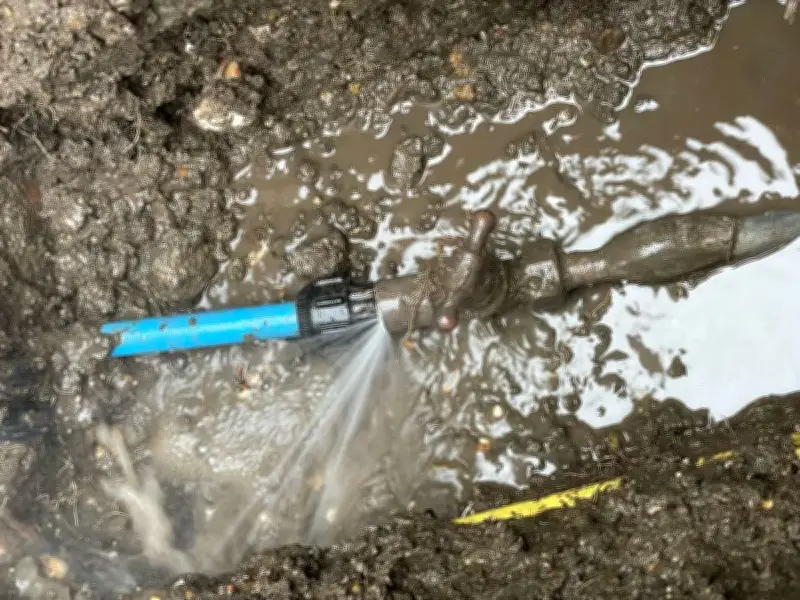
A two-second water meter check can reveal a hidden leak before it causes significant damage, according to an engineer who has also highlighted the “biggest mistake” homeowners make. Hamaad Janjua, an engineer at ADI Leak Detection, says one of the first things to check is whether your water meter reading changes while you have been out of the house.
A boiler that keeps losing pressure or a floor that is warm in one spot can also be a clue now the heating is back on. “Many hidden leaks develop slowly, so homeowners often dismiss the early warning signs until significant damage has occurred,” said Hamaad, who is based in Giffnock, near Glasgow.
Water regulator Ofwat estimates that leaks in plumbing and supply pipes at homes and businesses across England and Wales waste up to £1.6 billion worth of water a year.
Five Checks to Spot a Hidden Leak Before December
1. Check your water meter
Turn off the taps and any appliances that use water, wait for any tanks or toilet cisterns to finish refilling, then take a meter reading before going out. Take another reading when you return, without running any appliances that use water in between. If the number has gone up, you could have a leak. The advice is to wait three to six hours between readings for the most accurate results.
2. Keep an eye on your boiler pressure
If the pressure keeps falling after you have topped it up, a leak in the heating system could be to blame. “One of the biggest mistakes is repeatedly topping up boiler pressure without investigating why it’s dropping,” said Hamaad.
Other Warning Signs to Watch For
3. Feel for a warm patch on the floor
A floor that is unexpectedly warm in one spot could mean hot water is escaping from a pipe underneath. It is worth getting checked if your boiler is also losing pressure.
4. Watch for damp patches or mould
A new damp patch or spot of mould can be an early clue. Keep an eye on whether it spreads or comes back after drying out.
5. Listen for running water when everything’s off
Once the taps are off and the toilet has finished refilling, listen for the sound of running water. If you can still hear it and cannot see where it is coming from, there could be a leak out of sight.
Professional Detection Avoids Disruption
In one recent case, a homeowner lifted their kitchen floorboards looking for a leak, causing damage to their flooring and surrounding walls in the process. When an ADI Leak Detection engineer traced the leak, it turned out to be in the hallway.
“We also see homeowners unnecessarily lifting floors or breaking into walls trying to find leaks themselves,” Hamaad said. “Professional leak detection can often pinpoint the problem without widespread disruption.”