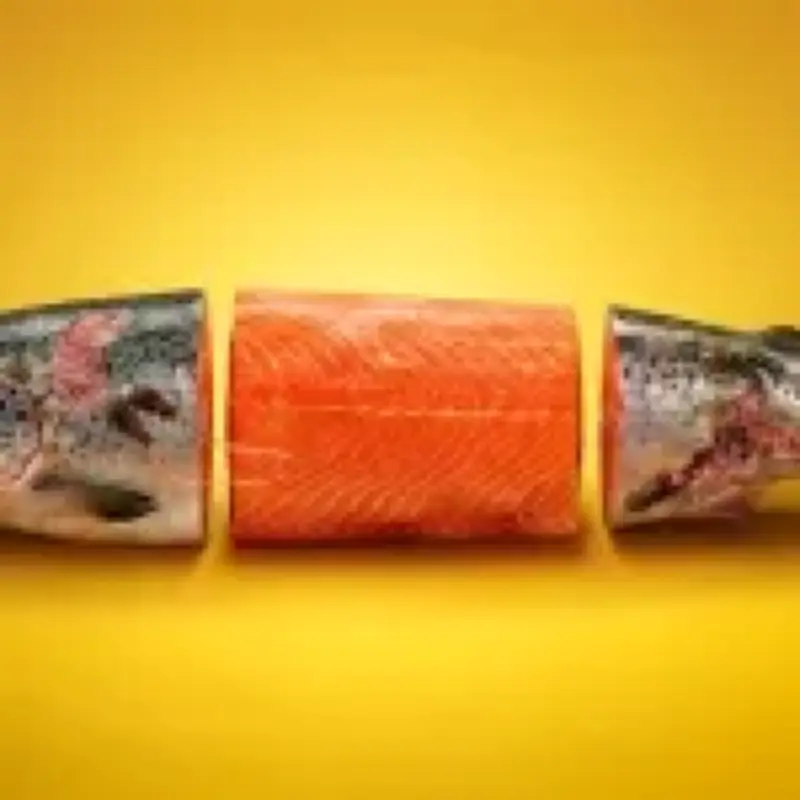
Adverts appearing across the London Underground over the past few weeks show salmon damaged by sea lice and flesh that is more grey than pink, prompting some commuters to reconsider their supermarket fish purchases. The campaign, run by animal activist group Project Slingshot, claims to reveal 'the hidden truth' behind farmed salmon and to pressure the supermarkets that sell it.
The images, described by some viewers as 'nasty' and 'scandalous', have drawn mixed reactions. While some find the content off-putting, others say they are concerned and confused about whether to continue buying salmon.
Why Salmon Farming Is Under Scrutiny
Salmon is the UK's top-selling fish, with sales reaching nearly £1.6 billion, but activists and leading chefs are urging people to stop buying it. Although salmon can be wild-caught in oceans, lakes, or rivers, the vast majority on UK supermarket shelves is Atlantic salmon farmed predominantly in Scotland. The UK currently has more than 200 salmon farming sites, mostly along the west coast of Scotland, Shetland, and Orkney.
Farming methods include open-net sea cages and land-based recirculating aquaculture, where fish are kept in tanks in large facilities. Controversy surrounds open-net farms, which Project Slingshot, a vegan-led group largely funded by American philanthropists, describes as 'overcrowded' and 'filthy' places where 'flesh-eating sea lice are endemic'. Campaign posters show fish with missing eyes and chunks of flesh eaten away by parasites.
Chemical Treatments and Environmental Concerns
The campaign also highlights the use of 'toxic chemicals' in farmed fish, including emamectin benzoate, an antiparasitic medicine, and insecticides such as azamethiphos, used to control sea lice. In open-net farming, residues from these chemicals can enter the surrounding environment, potentially polluting water and harming other marine life like shrimp and lobsters. Project Slingshot also notes that farmed salmon is not naturally the pink colour consumers expect, but is much paler, off-white, or grey.
Wild Atlantic salmon are endangered in Great Britain, with numbers falling by more than 70 per cent in recent decades. The Atlantic Salmon Trust says the fish face a 'crisis' caused by factors including climate change, biodiversity loss, habitat degradation, water pollution, disease, barriers to migration, water abstraction, and open-net pen salmon farms. Thousands of fish have escaped from farms when nets tear, and the Trust warns that 'farmed fish interbreeding with wild populations reduces their genetic integrity'. Scientific research shared by the Scottish Government also indicates a risk that sea lice from fish farms 'negatively affect populations of salmon on the west coast of Scotland'.
Regulators and Industry Response
SEPA, the Scottish Environment Protection Agency, acknowledges that open-net salmon farms can impact the surrounding marine environment. Its website states: 'Waste products like fish excreta, uneaten food, used fish medicines and other chemicals are discharged through the nets into the marine environment.' SEPA regulates these discharges and has set environmental standards for chemicals like emamectin benzoate. Farmed salmon can contain trace residues of veterinary medicines and pesticides, but levels are said to fall well below the maximum permitted safety limits set by the UK Food Standards Agency.
Food Standards Scotland says sea lice do not pose a public health risk, explaining that the parasite lives only on the outside of the fish. The colour difference is due to diet: wild salmon get astaxanthin, a naturally occurring pigment, from eating organisms like shrimp and krill, while farmed salmon receive it through formulated feed, often as synthetic astaxanthin, which shares the same chemical formula as the natural version.
Salmon Scotland, the trade body for the industry, told Metro that Scottish salmon farmers 'provide the highest welfare standards for the animals in their care' and that the sector is 'highly regulated with full transparency'. It added that farmers monitor salmon daily and invest heavily in preventative measures against sea lice, with data reported transparently and overseen by regulators. The body called Project Slingshot's campaign a 'distorted picture', arguing that if campaigners drove Scottish salmon off shelves, demand would be met by imports from countries with lower standards and a bigger carbon footprint.
Welfare Reviews and Chef Campaigns
The Soil Association, following an extensive review highlighting high mortality rates, concerns around preventing suffering, feed sustainability, and disease, has announced it is withdrawing from setting standards for organic salmon. Chief executive Helen Browning said: 'When we started working on salmon 20 years ago, we had an aspiration for an aquaculture system that could deliver the principles of organic production in the sea. We envisioned a multi-trophic, enriched environment which could provide the resources for a good life for salmon, with minimal negative impact on other species. However, progress along these lines has been negligible.'
WildFish's Off The Table campaign has brought together chefs and restaurants pledged to remove farmed salmon from menus, including Michelin-starred chef Angela Hartnett OBE and her Cafe Murano sites in London, chef Luke Holder, food critic Tom Parker Bowles, Gordon's Wine Bar, and Polpo. Angela and Luke have encouraged 'all chefs to take farmed salmon off their menus' and signed an open letter in support of the campaign.
For shoppers, the decision to keep buying salmon is personal. In 2024, the British government said the Food Standards Agency was 'not aware of any evidence to indicate that fish farmed in the UK are unsafe to eat'. Jim Bligh, Director of Food Policy at the British Retail Consortium, commented: 'Retailers are committed to sourcing seafood responsibly and have their own robust sourcing requirements covering animal welfare and the environmental impact, and these will not change as a result of this decision.' The NHS recommends eating at least two portions of fish a week, including one oily fish like salmon, which is high in long-chain omega-3 fatty acids for heart health, but advises some groups to limit oily fish to two portions a week due to pollutant levels.