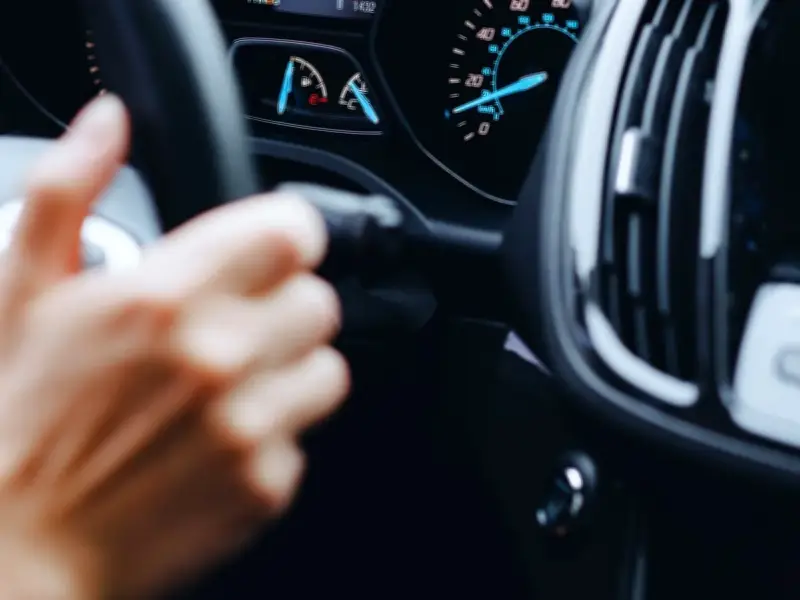
Motorists can reduce fuel consumption this winter by switching off heated seats and heated steering wheels once they are warm, according to a fuel expert. The two electrical features place extra demand on the engine through the alternator, unlike the standard cabin heater, which uses heat already generated by the engine.
Electrical features versus cabin heating
Beth Fountain, fuel expert at Interfuels, said drivers do not need to avoid using their car's heating to control fuel use. In most conventional petrol and diesel vehicles, the standard cabin heater uses heat produced by the engine, so it generally has little additional impact on fuel consumption once the engine is warm.
Ms Fountain said: "Drivers shouldn't feel they need to sit in a freezing car to save fuel. The standard heating system in most petrol and diesel vehicles uses heat that the engine has already generated, so it isn't usually a significant additional fuel expense."
She added: "However, switching off electrical features such as heated seats and heated steering wheels once they're no longer needed can help avoid unnecessary energy use." Motorists can enjoy the extra warmth when needed, then switch the features off once comfortable.
Other winter driving habits
Leaving an engine running while parked or waiting burns fuel without moving the car, and repeated idling can become an unnecessary expense. "Many drivers don't realise how much fuel they can waste by leaving their engines running while stationary," Ms Fountain added. She advises allowing a modern vehicle a brief moment to settle before setting off gently, rather than leaving it running for several minutes to warm up.
Cold starts can also affect efficiency, particularly when drivers make several short trips in one day. Combining errands into fewer journeys can reduce the number of times an engine has to warm up from cold.
Tyre pressure and driving style
Tyre pressures can fall as temperatures drop, and underinflated tyres increase rolling resistance, using more fuel and affecting handling and braking. The expert recommends checking tyre pressures when tyres are cold and following the manufacturer's guidance. Smooth driving, avoiding sudden acceleration and removing heavy items that are not needed can also help improve fuel efficiency.
While motorists cannot control the weather, they can make small adjustments to reduce unnecessary fuel use. Switching off heated seats and steering wheels when they are no longer needed is one straightforward habit to adopt this winter.