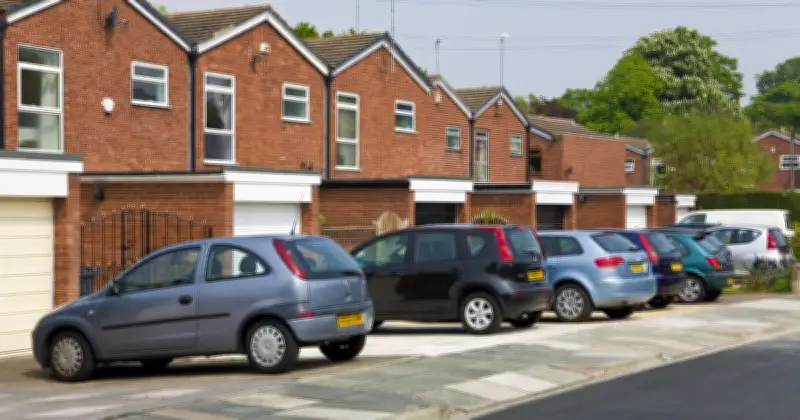
Electric car owners living in social housing could be at a major disadvantage due to a simple driveway rule, according to experts. Those without access to their own driveway or off-street parking space pay much more to charge their vehicles, with public charging costs significantly higher than home rates.
Public charging costs more than double
Drivers relying on public charging bays pay 20% VAT on electricity, with costs around 45-50p per kWh. In comparison, those charging at home now pay 0% VAT after changes introduced by Andy Burnham in October, with those using a dedicated smart tariff paying around 7p per kWh.
The price difference can be stark, with analysis from Start Rescue suggesting road users could be paying £1,000 more. Those relying on street residential charges can pay around 11.25p per mile or £1,175 per year over an average 10,000-mile use, while those using a cheaper overnight tariff might be spending 1.75p per mile or £175 over 10,000 miles.
Social housing residents face barriers
Start Rescue warned that EVs were easier for "better-off households," with many in social housing not enjoying the same access to an affordable charging space. They said: "EV owners who live in social housing are often at a disadvantage when it comes to charging costs. Many social housing residents do not have dedicated parking that is close enough to their home to install an EV charger."
They added: "Additionally, retrofitting electric car chargers is often expensive, complicated and inconvenient. Further barriers can emerge if the landlord objects to any modifications. The uncomfortable truth is that EV adoption may become the preserve of better-off households. Public policy on EVs inadvertently winded up favouring property owners."
VAT changes spark industry concern
VAT rates on domestic electricity were slashed from 5% to 0% from October 1, impacting electric car owners. The decision to axe VAT on domestic charging instead of public bays caused some frustration in the motoring industry.
Polestar warned that road users "unfairly penalises drivers without a driveway" and had called on Labour to address the issue in its Autumn Budget. VAT cuts on domestic rates were extended in the Budget, but there were no price cuts around public charging fees.
Ben Nelmes, CEO of New AutoMotive, previously said: "It is not fair that people who cannot charge their electric car at home must pay significantly more for their electricity. It is good to see the Chancellor taking steps to allow drivers to use their home electricity tariff at their local charge point. It is vital that this work moves at pace to end Britain's driveway divide."