
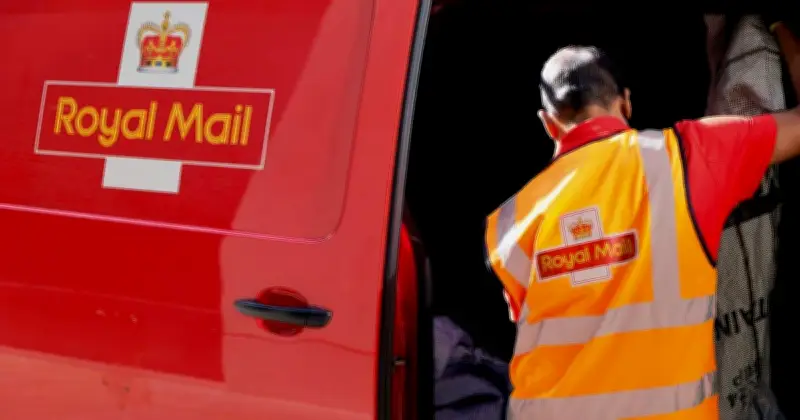
Royal Mail is urging people expecting parcels from abroad to watch for a grey 'Fee to Pay' card, as customs charges must be settled before the item is released. Customs items are generally held for 21 days before being returned to the sender if the required charges are not paid, although customers should check the precise deadline and payment instructions on their notice.
How customs charges apply
The rules govern goods entering the UK from abroad. HM Revenue and Customs says qualifying gifts worth £39 or less are exempt from import VAT, while gifts above that value may attract VAT. The threshold is not a blanket exemption for anything described as a present—to qualify, the gift must be sent between private individuals, be occasional and not have been paid for directly or indirectly by the recipient in the UK.
Customs Duty may also be payable on qualifying gifts worth more than £135, depending on the type of goods and where they came from. For many ordinary items, the standard VAT rate is 20 per cent, although some goods are charged at different rates.
Handling fees and payment
Royal Mail pays applicable import VAT and Customs Duty to HMRC on the recipient's behalf before requesting payment. It also charges a handling fee, with its current guidance listing an £8 fee for Royal Mail items. Recipients should use Royal Mail's official payment service and have their 'Fee to Pay' card to hand. If paying online, check the deadline shown rather than assuming the full holding period applies.
Anyone who is unsure whether a notice is genuine should avoid clicking suspicious links in texts or emails and instead visit Royal Mail's website directly. The safest way to avoid losing an expected parcel is to check the notice promptly and deal with any valid charge before the deadline passes.




