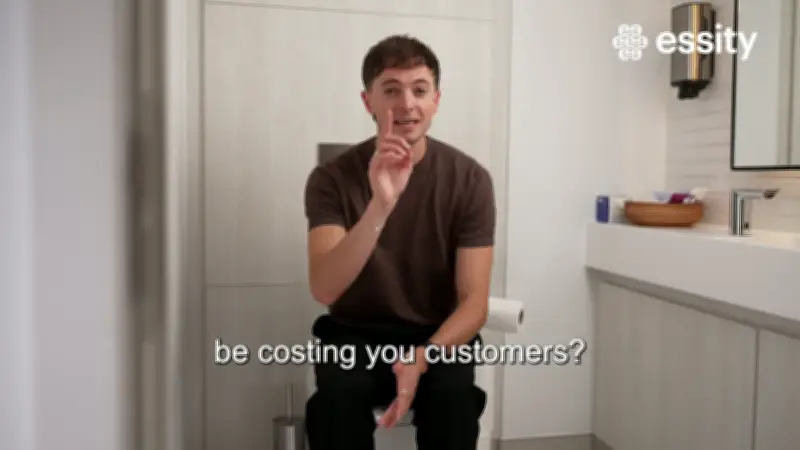
The UK hospitality sector could be losing nearly half a billion pounds due to unclean or inadequate toilet facilities, according to a new report from hygiene firm Essity. Survey findings from 5,010 consumers show that toilets with enough toilet roll, soap and sanitary products prompt customers to spend an average of £4.50 extra per visit.
Revenue potential across venues
Better facilities could bring in up to £98 million in added takings for restaurants, £63.5 million for hotels, and £61.8 million for pubs. Together with cinemas, gyms and museums, the total potential revenue increase reaches £491.8 million nationwide.
The study, commissioned by Essity, behind global washroom brand Tork, also polled 1,000 managers across the hospitality, leisure, entertainment and travel industries. It found that 69% of venues currently fall short of customer expectations.
Facility shortfalls identified
Among the findings, 14% of venue managers admit they do not properly cater to women during periods, while 22% lack confidence that their facilities accommodate guests with sensitive skin conditions. Additionally, 19% expressed unease over supporting people with incontinence, and 15% were not certain if their toilets accommodate visitors with restricted mobility.
Managers also identified shortfalls in facilities for neurodivergent guests (21%) and those experiencing anxiety or sensory difficulties (23%). Based on the OnePoll findings, 23% of establishments run out of toilet roll daily, while 19% regularly deplete their paper towel supplies.
Customer expectations and impact
By comparison, 86% of adults said inclusive hygiene – offering comfortable, accessible loos irrespective of health status, ability, neurodiversity or age – is crucial to their experience. If facilities were not up to their standards, 48% reported they would leave a negative review.
James Cartwright, spokesperson for Essity, which recently published The Inclusive Hygiene Playbook to help venues improve accessibility, said: "Washrooms are a critical part of customer experience. Our research shows when customers face hygiene barriers in washrooms, they are less likely to return, recommend the venue or spend as much during their visit."
He added: "But the good news is that by taking a broader view of hygiene, businesses have an opportunity to create more welcoming environments for all customers and this leads to an increased amount of time spent by customers in a venue, an increased average spend, repeat visits and positive online reviews, and all of this ultimately grows profits."
The research highlighted that 68% of respondents have avoided using a venue's washroom because it failed to meet their needs. Key reasons included poor cleanliness (79%), missing essential supplies like toilet paper or hand-drying tools (56%), and lack of privacy (26%).
Almost a quarter (23%) of venue operators reported receiving critical online reviews or social media comments about their washrooms over the previous year. While only 56% of operators were acquainted with the notion of inclusive hygiene before the survey, 77% now regard it as a major priority.
Hannah Hart, head of philanthropy & partnerships for Crohn's & Colitis UK, said: "For many people living with Crohn's or Colitis, access to a toilet isn't simply a matter of convenience. It can be the difference between feeling confident enough to go out and enjoy a meal, meet friends or spend time with family, and staying at home because the worry feels too great."
She added: "When you live with the urgent and unpredictable symptoms of these conditions, knowing there's a clean, accessible toilet available can make a huge difference. It gives people the confidence to get out and enjoy everyday life. Good toilet facilities don't just improve the customer experience, they help people feel welcome and included."
Hart concluded: "And when more people feel able to visit restaurants, cafés, pubs and other venues, that's good news for hospitality businesses too."