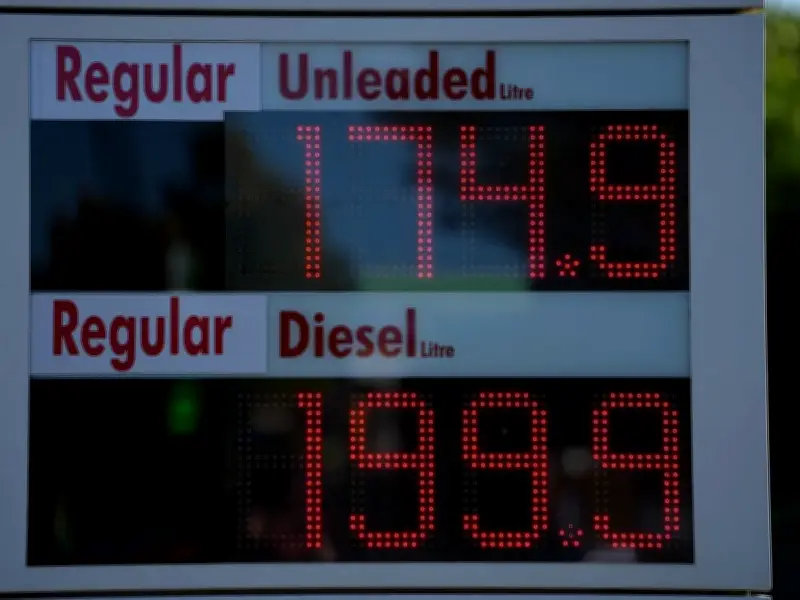
UK motorists can expect further reductions in petrol and diesel prices after the cost of oil fell below $90 a barrel for the first time since August, according to updates from the RAC and AA. The benchmark Brent Crude price stood at around $90 on Tuesday morning, having declined by about 25% since peaking at $117 in late October.
The falls followed the US midterm elections last week, in which President Donald Trump's Republicans suffered heavy defeats, and indications that a peace agreement may be reached between the US and Iran. Trump suggested further strikes on Iran were not currently on the agenda, citing "momentum toward the end of this conflict."
Current pump prices and recent movements
On Tuesday, the RAC reported that the average UK price for petrol stood at 168.45p a litre and diesel at 197.27p. It noted a 3.4p reduction in unleaded since the beginning of the month and a 6.5p decline since the Iran war peak of 174.94p on October 5. Diesel has been slower to respond, with a 1.3p reduction since the start of the month and a 3p fall since its high of 200.20p on October 5.
The AA stated that "the track of plummeting wholesale costs indicates that another 10p reduction should be on the way." Since October 13, the wholesale cost of unleaded dropped from 77p a litre to 68p by the end of October and now sits below 62p. Diesel's average pump price across the UK was down just 2p a litre to 197.9p, with its wholesale cost falling by around 4p a litre since mid-October, which "offers the possibility of a further small reduction at the pump."
Why reductions take time to reach forecourts
Tony Redondo, founder of Newquay-based Cosmos Currency Exchange, said: "It's an age-old issue: forecourt prices go up like a rocket and come down like a parachute. Retail prices typically start reflecting a drop in crude within seven to 10 days, full pass-through can take up to three weeks." He noted that forecourts must clear stock bought at higher wholesale prices, and that pump prices follow refined product margins, not raw crude alone. Oil is traded in US dollars, so any Sterling weakness eats into the benefit of cheaper barrels. Fuel duty and 20% VAT account for over half the pump price.
Nouran Moustafa, practice principal and Independent Financial Adviser at Roxton Wealth, said: "Funny how petrol prices seem to rise almost overnight when oil gets expensive, but take their sweet time coming down when it gets cheaper. Oil falling below $100 should be welcome news for motorists, but the savings don't reach forecourts immediately." She added that retailers buy fuel in advance, meaning lower wholesale costs typically take two to four weeks to filter through.
Diesel likely to lag behind
Harvey Dhillon, founder and CEO at Zmartly, said: "I'd expect pump prices to start falling properly over the next few weeks if oil stays lower, with diesel likely to lag behind petrol. Forecourts buy fuel in advance, so what they sell today may have been bought when wholesale prices were higher." He noted that fuel duty is fixed at 52.95p a litre with no change due before January, and that every forecourt now has to report each price change to the government's Fuel Finder.
Laurence Booth, global head of markets at CMC Markets, said: "Brent falling below $90 after months of elevated prices suggests markets are increasingly pricing in a lower risk of prolonged disruption in the Middle East." He noted the Bank of England has just raised interest rates to four per cent partly in response to inflationary pressure from higher energy costs, and that if oil stays around these levels, some of that pressure should start to unwind.