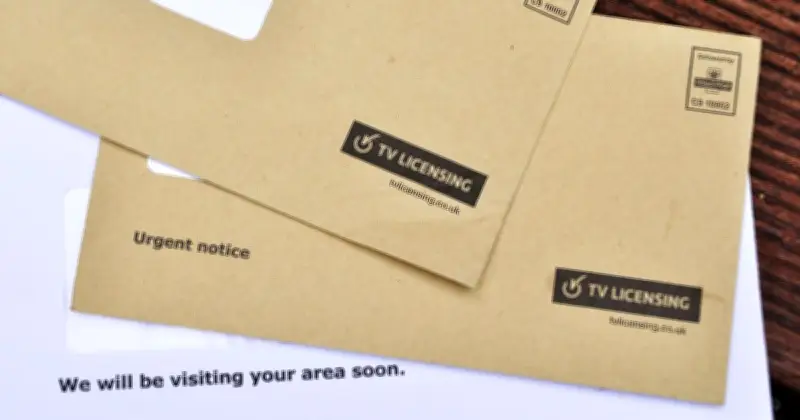
State pensioners on low incomes who are aged 75 or over can cut their TV Licence bill down to £0 in just 16 minutes if they meet certain criteria. A TV Licence currently costs £180 per year, and the fee is due to rise again from April in line with inflation.
Forecasts from the Office for Budget Responsibility (OBR) suggest the annual fee could reach £202.60 by 2031, up £22 on its current level, if it continues rising with inflation. With further hikes looming, it pays to check if you can reduce the cost or avoid it altogether, and for some pensioners, this can be done with a single claim to the Department for Work and Pensions (DWP).
Pension Credit opens the door to a free TV licence
If you are entitled to the DWP benefit Pension Credit, it opens the door to a wealth of other financial perks and support, including a free TV licence for those over 75, effectively cutting the £180 fee down to £0.
In the 2026 to 2027 tax year, Pension Credit can top up your weekly income to £238 if you are single, or your joint weekly income to £363.25 if you have a partner. According to the DWP, it only takes 16 minutes on average to apply.
The DWP said last year: "The online claim form - updated by the Work and Pensions Secretary after listening to the views of pensioners - means it now takes just 16 minutes on average to apply for Pension Credit and be eligible for up to £4,300, with 90 percent of new customers applying using the simple online form, or over the phone."
How to apply and who qualifies
If you already get Pension Credit, then you can apply for a free TV Licence when you are 74, but you will need to continue paying for your licence until the end of the month before your 75th birthday. After this, you will be covered by your free licence.
The DWP began sending letters to 660,000 households from last month in a bid to boost Pension Credit uptake, as hundreds of thousands of pensioners may be missing out on the vital support that they are entitled to.
Letters are being posted in seven areas of the UK with a high proportion of low-income pensioners, including Glasgow, Powys, Stockton-on-Tees, inland Cornwall, Birmingham, East Suffolk and Manchester, with advice guiding pensioners through how to apply for the benefit and how to support a family member with a claim.
Other ways to reduce or avoid the fee
Commenting on the perks of claiming the DWP benefit, Sarah Pennells, consumer finance specialist at Royal London, said: "Pension Credit is a valuable benefit because it is a 'gateway' benefit. That means, if you’re able to claim it, you may also be able to get help with housing costs (through Council Tax discount and Housing Benefit or Support for Mortgage Interest).
"You’re also eligible for a free TV licence if you’re aged 75 or over and you may be able to get help with NHS dental treatment, prescriptions and transport costs. If you’re entitled to these benefits, the state help you get could be very valuable and that could make a real difference to your finances."
For those who don’t meet the eligibility criteria for Pension Credit, there are other ways to reduce your TV Licence bill, or avoid the fee entirely. If you no longer watch live on any channel, TV service or streaming service, or use BBC iPlayer, it may be worth cancelling your TV Licence. In some cases, you could be eligible for a refund if, before your licence expires, you won’t be doing any of the following: watching TV on any channel, like BBC, ITV, Channel 4, U&Dave and international channels; watching TV on pay TV services, like Sky, Virgin Media and EE TV; watching live TV on streaming services, like YouTube, Netflix, and Amazon Prime Video; using BBC iPlayer. This includes recording and downloading programmes on any device.
If you still need your TV Licence, there are other ways to reduce the cost. If you live in a residential care home, supported housing or sheltered accommodation, then you may be entitled to a reduced fee TV Licence. If you are blind (severely sight impaired) and can provide the appropriate evidence, you can apply for a 50% discount on your TV Licence.
Sharing and watching on-demand
If you don’t meet the eligibility criteria for Pension Credit or qualify for a reduced fee TV Licence, then there are still a few options to save money. TV licences are per household, not per person, so if you live in a house with several people, you don’t all need to have one and could all chip in to share the cost of one licence. You can share a TV Licence among the whole household if you watch TV in a single shared area, or have a joint tenancy agreement. But if you have separate tenancy agreements and watch TV in your own room, then you will need to pay for your own.
You also don’t need a TV Licence to watch streaming services, such as Netflix and Disney Plus, on-demand TV through services like All 4 and Amazon Prime Video, videos on websites such as YouTube, or DVDs and Blu-rays. So if you are happy to just stick to watching any of these, and not watch or record any live TV or BBC iPlayer, you can save yourself £180 per year. But if you do watch or record live TV without a TV Licence, then you can be issued a fine of up to £1,000.