Next has removed a baby sleeping bag from sale after a new mother raised safety fears over a potential suffocation hazard. The retailer had been selling a pink floral 2.5-tog sleep bag with removable sleeves for £28, intended for babies aged zero to six months.
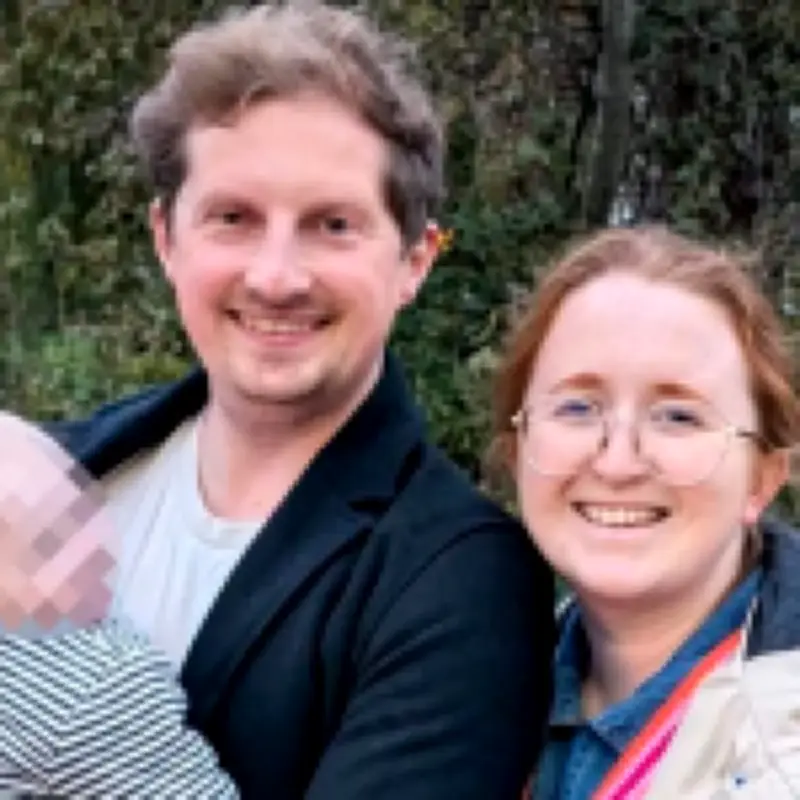
Emma Hunter, 29, from Norwich, purchased the item for her newborn daughter, Rosie, who is now three-and-a-half months old. She noticed the neck hole was far too wide, sparking concern that her daughter could slip down and become trapped, unable to breathe. She and her husband agreed there was 'no way' they could put Rosie in it.
Product recall and response
After Emma spoke out, Next removed all traces of the item from its website. In a statement, a Next spokesperson told the BBC: 'We can confirm the item has been removed from our website and all stores.'
'A product recall is in place, and we are contacting all customers who purchased the item directly to advise them of the appropriate next steps.'
However, Emma claimed that when she first flagged the issue to Next, they had 'quite a laissez-faire' attitude and simply 'offered [her] a refund'. She said: 'But I said, "It's dangerous; surely you shouldn't be selling it anymore, and there should be a product recall?"'
Safety standard concerns
The incident prompted Emma to research safety standards further. She discovered that the Next sleeping bag did not adhere to British regulations, despite bearing a label stating that it did. Emma found that a sleeping bag of that size for Rosie's height – which was 59cm at the time – should have a maximum neck circumference of 32cm. When measured, the Next one had a neck hole of 36cm.
The British Retail Consortium (BRC) explains on its site that 'one of the significant hazards arises if a child slips through the neck opening of the sleep bag such that the material of the sleep bag covers the child's head'. 'Suffocation can occur if the material covers the child's nose and mouth and may lead to the brain becoming starved of oxygen, which may result in asphyxia and potential brain damage or fatality.'
Regulatory guidance and impact
The Office for Product Safety and Standards advises that a sleeping bag should have armholes, no drawstrings, no hoods or face coverings, no loose parts or fasteners, and no cords. Bags also should not be weighted for babies under one year. To check the fit, the opening should be snug enough that the baby's head will not slip down, with room for one or two fingers between the neckband and the baby's neck.
The EN 16781 standard specifies the maximum and minimum size the neck opening circumference should be, calculated in relation to the child's height. For example, the regulator states a child who is 50cm to 65cm tall requires a sleeping bag with a minimum circumference of 28cm and a maximum circumference of 32cm. Another danger is hyperthermia (overheating), which may be associated with sudden infant death syndrome (SIDS) in sleeping bags with hoods.
Emma, whose brother died of SIDS, said it 'shouldn't take an infant mortality to see change', criticising Next for failing to have a 'sense of urgency' in responding to the matter. She said: 'I expected a big high street store like that to have a certain standard. You put your trust into these retailers.'
Next's sleep bag, which comes in three sizes, will now be looked into by manufacturers and is listed as 'currently unavailable' online. Their spokesperson added to the Daily Mail that 'to date, no injuries' have been reported in connection with the item. Next has been contacted for further comment.