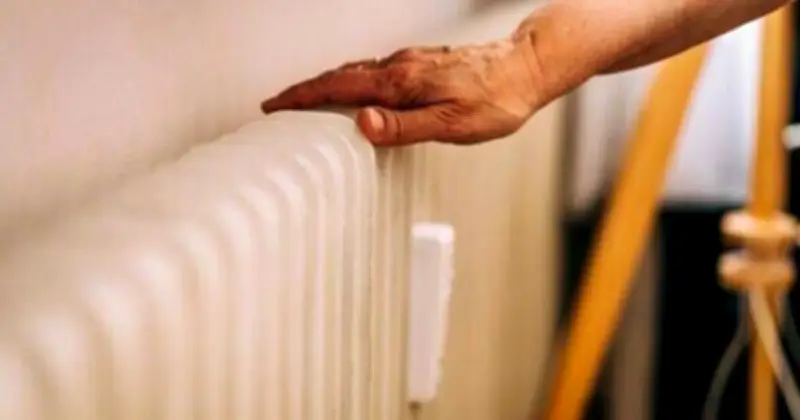
Martin Lewis's Money Saving Expert (MSE) has weighed in on the perennial heating debate, concluding that leaving the heating on all day leads to greater heat loss and higher costs.
The guidance comes as energy bills rise by £60 a year from October after Ofgem increased the energy price cap by 4%. This amounts to an extra £5 per month for the average household. The cap will climb to £1,723 a year for typical households not on a fixed tariff who pay by Direct Debit in England, Scotland and Wales, up from the current £1,663.
What the experts say
Drawing on expertise from the Energy Saving Trust, British Gas, an independent plumber and MoneySavers social media, MSE describes this as the most thoroughly researched answer available. The Energy Saving Trust argues that leaving the heating on throughout the day is the less efficient option, advising that you only warm your home when you genuinely need it, paying exclusively for what you consume.
Fitting a programmable thermostat is commonly considered the most efficient method to maintain your home at the ideal temperature at times that suit you.
When low and slow wins
However, if you have a contemporary boiler or heat pump, work from home, or spend most evenings and weekends indoors, Heat Geek argues that the low and slow strategy proves superior. Heat pumps are a low-carbon type of electric heating that extract warmth from outdoor air, while a modern condensing boiler installed after 2005 recovers some waste heat before it escapes.
In these circumstances, maintaining a consistent indoor temperature of 18 or 19°C may prove more cost-effective. Sustaining lower temperatures with gentle heating, avoiding raising the thermostat whenever you sense a chill, enables the boiler to reclaim more waste heat.
This technique may not suit everyone if you are frequently away from home or have plasterboard walls, which typically warm up considerably faster. Conversely, if your property has cavity wall and loft insulation or underfloor heating, the low and slow strategy is the one to adopt.
How to find your best approach
Some also advocate for maintaining heating on low and constant, contending that it stops moisture accumulating within the walls each time the system is turned off, which can drain heat while promoting damp and mould.
Given that there isn't a definitive solution, MSE suggests a trial and error method, measuring energy consumption with each approach. Record meter readings at the beginning and conclusion of each testing period and evaluate the outcomes, ensuring the temperatures during the weeks under comparison are as alike as possible.