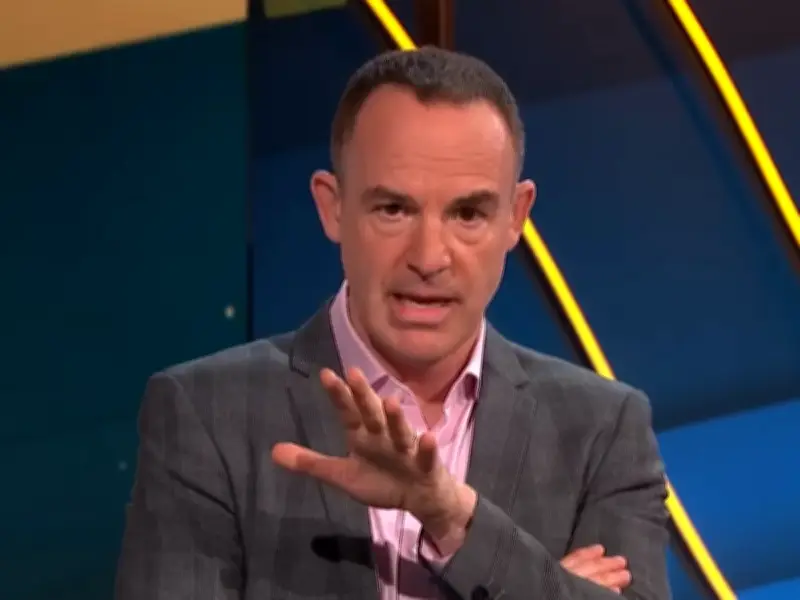
Martin Lewis has clarified his widely cited 'half your age' pension rule, explaining exactly how much you should be paying in and how employer contributions factor in.
What is the rule?
On his BBC podcast, a listener asked about the rule that your pension contribution should be half your age. Lewis confirmed this is his 'general rule of thumb'. He said: "You take your age, so if you start your pension at 30, half it - 15 per cent of your total income - of your salary should be going into a pension to give you a decent income at retirement."
However, he stressed it is not a hard and fast rule. "It is not a hard and fast rule. Many people do not do it, but it is a nice, intuitive rule that helps, and also makes the point very strongly."
Employer contributions count
The questioner, a 23-year-old starting his first job after university, was paying in 9 per cent of his salary with his employer contributing 6 per cent, totalling 15 per cent. He wanted to know if the rule refers to the total contribution or just the employee's share.
Lewis replied: "The general rule of thumb is about the total going in, so it includes your employer contribution. So you are over the rule of thumb."
Why starting early matters
Lewis praised the young man for starting early, explaining the significant impact of compounding. He said: "It's really important because the earlier you start putting money in the pension. The reason it's beneficial is you'll have it in an investment, but effectively that investment can compound over so many years."
He shared rough figures that for every £1 you put in your early 20s, you would have to put in £30 in your 50s to get the same investment growth. "So it's so worthwhile doing it early when you've got disposable income," he added, suggesting that young people living at home with lower living costs may want to prioritise pension payments.