Before calling out an emergency plumber this winter, checking a few simple things such as thermostat batteries, boiler pressure and radiator bleeding could save hundreds of pounds. Heating engineers report that the most unnecessary emergency call-out they attend is when the battery in the thermostat has run out of power.
Check the Thermostat First
Old-style thermostats are often battery powered, and those AAs can last a long time, so you might have forgotten what powers them. Over time, the connections in thermostats can also become loose, meaning the batteries aren't connecting. Changing the battery and making sure it is not rattling around in the box is a simple first step. Some digital thermostats can also use batteries, so don't assume yours doesn't have them.
Smart thermostats can also play up, but troubleshooting doesn't have to be complicated. If your thermostat is powered by the electrics, check your fusebox first. A blinking screen usually means the system is doing something important, like downloading software, but it can also indicate that the thermostat is not functioning properly. Guides to boilers and thermostats are available online, along with YouTube tutorials on troubleshooting common problems.
Repressurise the Boiler
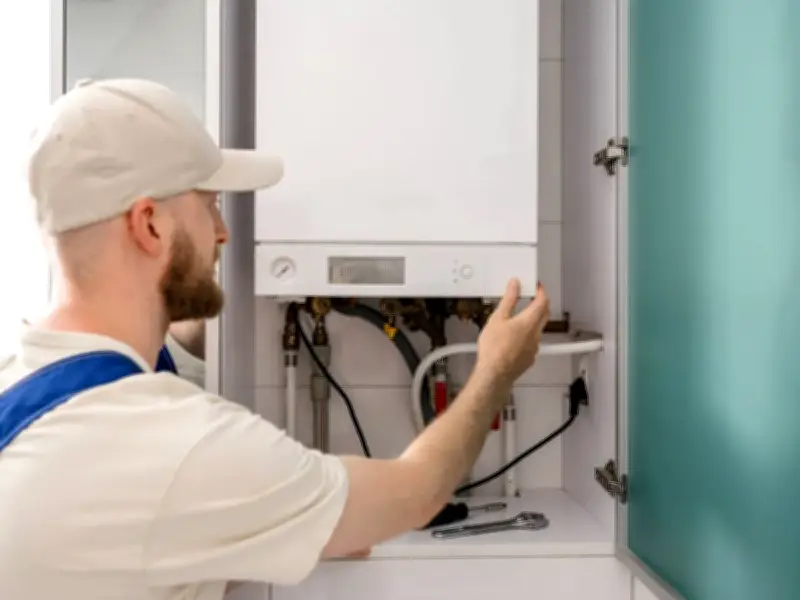
Boilers can be intimidating, but the vast majority of problems can be easily resolved. Start by turning the dials and thermostat down and pressing the 'boost' option, which can sometimes prompt the boiler to spring back into action.
Next, repressurise the boiler. Look at the pressure gauge, which should be between 1.0 to 1.5 bars (marked in green on the dial). If the dial is on zero, turn off the boiler and let it cool down, which may take a few hours. Identify your boiler and find the boiler number, often on the underside, to locate the correct guide online. Head to the 'troubleshooting' section, which usually has a summary for non-professionals in the 'your boiler' section.
Boiler repressurising is usually done with a key (attached to the 'door' of the boiler on its underside), or through coloured levels or switches. As you turn the levers, switches or key slowly, the boiler should crank into action and the pressure gauge should head into the green.
Bleed Your Radiators
Radiators need bleeding when air becomes trapped in the system, which can impact how much heat they generate and cause 'haunted radiators' with mysterious clanks and gurgles. Most energy companies have guides on how to bleed radiators online, and radiator keys are often generic and easy to replace if lost.
Before you start, turn off the heating, wait for it to cool down, and have a bowl and towel handy for any leakage. Start with the radiator on the lowest floor that's furthest from the boiler, then work your way up. Turn the key or screwdriver anticlockwise, just a bit, until you hear air hissing or a spurt of water comes out. As soon as the water appears, reseal the radiator without over-tightening it. With a combi boiler, you may find you need to repressurise the boiler too.
Home Emergencies and Insurance
When the weather turns, the rush to turn the heating on can lead to genuine emergencies, often as a result of cracked or damaged pipes. It's a good idea to put your heating on now at a low setting, even if you don't need it, and crank the thermostat up a notch over time to avoid stressing your pipes as they warm up.
If you have blocked or leaking pipes, figure out whether they are on your property (claim through your insurer) or outside it (usually the water company needs to sort this out). Look around your home for wet or discoloured patches or strange smells. If you live in a communal property, speak to your landlord or building management committee about their building insurance.
If you think you need to make a claim on a boiler or home emergency policy, check first to see if you have cover as part of your home insurance policy. Insurers have 24-hour emergency telephone lines, but it's recommended to familiarise yourself with your policy before an emergency occurs. Asking about your policy and what it covers should not affect your cover, but telling the insurer about an emergency that has occurred could affect your premiums even if you don't make a claim.
Home emergency cover can also be purchased as a separate policy. Costs for calling out an engineer can be pricey, with emergency callouts costing around £225 to £675 according to Check a Trade, though that doesn't cover all the work that might be required. Annual boiler servicing can be between £80 to £150. Some policies covering just your boiler cost as little as a tenner a month, but they vary significantly.
Check the caveats on any policy. A typical policy might cost a few pounds a month, but you could pay a call-out fee of over £100 per callout. A policy with unlimited free callouts will set you back over £200 a year. Not all boiler contracts are insurance products; some are 'regulated' insurance contracts and others are 'service contracts', which matters because if there's a dispute, you can't go to the Financial Ombudsman if it's a service contract or an unregulated agreement. An insurance policy will list the underwriter, the firm that investigates and pays out claims.
When buying a boiler or home emergency policy, look for a 24 hour, 365 days a year emergency helpline, keep an eye out for the initial 'no claims' period (usually around two weeks after signing the contract), and be aware of call out limits and caps on parts, repairs and labour. If your boiler is over seven years old, your policy might not cover you. If you already have home and contents insurance, ask your insurer how much an add on home emergency or boiler policy might cost, as they might be able to give you a better deal.