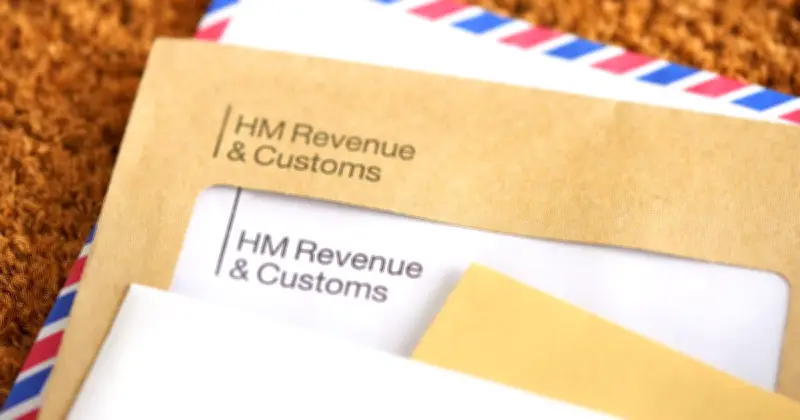
HMRC is sending letters to UK households demanding tax payments. From late September, officials have issued P800 tax calculations or PA302 Simple Assessment notices for any tax owed on bank and building society interest earned between April 2025 and April 2026.
Advice to tax agents and advisors
Officials issued an update to tax agents and advisors informing them of developments and changes to legislation and allowances relating to UK tax on September 18. They wrote: "Some customers may have already received a Simple Assessment for the 2025 to 2026 tax year that did not include either their bank or building society interest. If HMRC subsequently receives information about interest, these customers may receive a second Simple Assessment notice for the same tax year which takes this into account."
"When this occurs, you should make your clients aware that the second notice will show the total tax owed for the year. This includes the amount from the first notice even if it has been paid. To work out what they owe, your clients should deduct anything they have already paid from the amount in the second notice," they added.
How to pay an underpayment
The Government explains that if a person is taxed through PAYE they do not need to do anything as their tax code will be changed to reflect the underpayment of tax. If HMRC cannot collect this tax through PAYE, or the amount owed is more than £3,000, the individual will receive a Simple Assessment notice which will explain how much they owe and why, it added.
"If a client’s income from savings and investments is more than £10,000, they will need to complete a Self Assessment tax return," officials said. They also note that tax codes and bank statements could show different interest amounts because some interest may be tax-free covered by the Personal Savings Allowance, only taxable interest shows in tax codes and HMRC could use estimates based on recent data.
'Key points' to be aware of
The Government has listed the following points for people to be aware of:
- banks and building societies tell HMRC about interest paid to customers each year
- most people can earn some interest before paying tax
- they can use HMRC’s online calculator to check how much tax they might pay on interest from savings
- your clients can use their Personal Allowance for tax-free interest if they have not used it on wages, pension or other income
- they may also get a Personal Savings Allowance — up to £1,000 a year in interest without paying tax, depending on their tax band
- HMRC assumes any interest earned on a joint account is split equally between the account holders
Officials added that HMRC will show the name of the bank or building society that paid the interest. If people do not recognise the name, "it may be the name of the wider financial group that owns the bank or building society", they said.