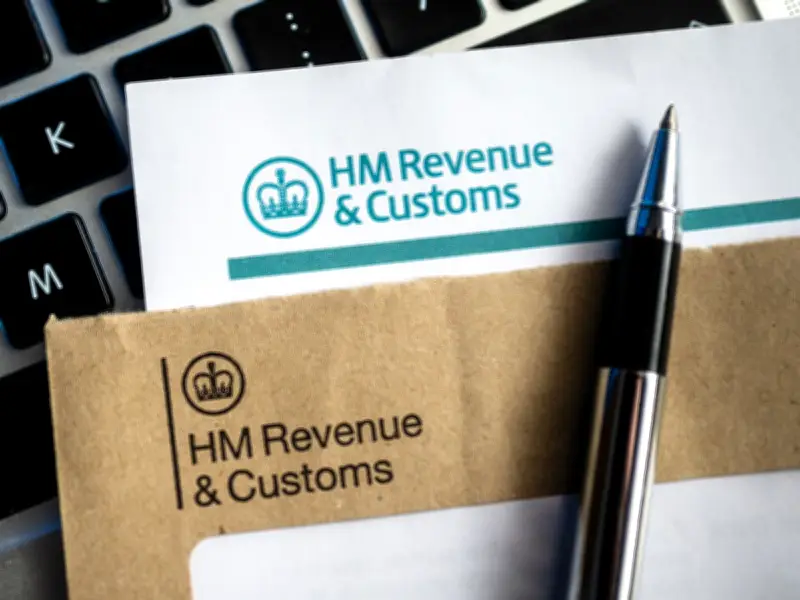
More than 700,000 people could be owed payments from HMRC, with hundreds of thousands of letters already sent to workers earlier this year. The letters, known as P800 tax calculations, provide an overview of any tax calculation errors and instructions on how to resolve them.
Who Receives P800 Letters?
The P800 letters are sent to individuals who have either overpaid or underpaid tax. On average, these payments can amount to £473. Recipients can rectify the tax mistake by either settling the tax bill or claiming the overpaid tax back from HMRC.
According to the gov.uk website, refunds can be claimed through a personal tax account, the HMRC app (if you have a UK bank account), or by contacting HMRC directly. Claimants can use the online bank transfer service or request a cheque online, but they will need either the reference number from their P800 letter or their National Insurance number.
Refund Timescales and Process
Refunds are typically issued within five working days if claimed online, or within six weeks if a cheque is requested. Instructions for obtaining a refund are usually included in the letter, though some letters may indicate that HMRC will send a cheque automatically, requiring no further action.
In a post on X on August 6, HMRC reminded people: "Remember getting a letter about a tax refund but didn’t do anything about it? Last year, almost 700,000 people didn’t claim back the money they’re owed. Download the HMRC app to check."
Common Reasons for Refunds
Eligibility for a refund or a P800 letter can arise from various situations, including being placed on the wrong tax code, starting a new job while receiving payments from a previous one in the same month, beginning to receive a workplace pension, or receiving Employment and Support Allowance or Jobseeker’s Allowance.
A spokesperson for HMRC told The Express: "We wrote to customers this summer to inform them they are due a refund, and need to claim it. Customers can follow the straightforward instructions in the letter, which explain how they can quickly and easily claim it online on GOV.UK or via the HMRC app."
What If You Owe Tax?
If the letter indicates that you owe tax, HMRC will typically collect the amount by adjusting your tax code, increasing the tax deducted from your wages, salary, or pension in equal instalments over 12 months from the start of the next tax year. This automatic adjustment applies if you pay Income Tax through an employer or pension provider, earn enough income over your Personal Allowance to cover the underpayment, and owe less than £3,000.
If HMRC cannot collect the money this way, they will write to you with payment options. The government website advises that if you believe your tax calculation is incorrect, you should contact HMRC and specify which amounts you think are wrong and what they should be. If HMRC agrees, a new calculation will be issued; if not, they will explain their reasoning.
The letters are sent out between June and March of the following tax year. Earlier this year, HMRC noted that almost one million people had not claimed their tax refunds, with an estimated four million letters being sent out.