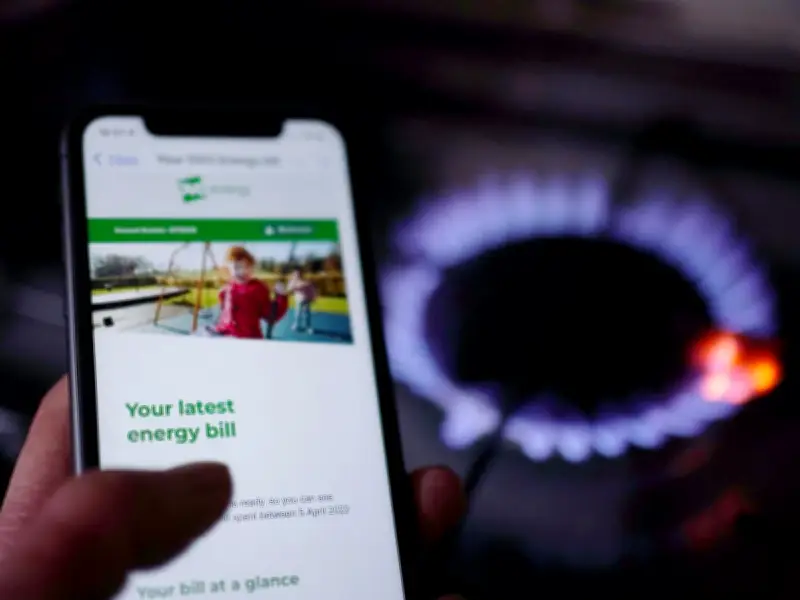
Chancellor John Healey has announced plans to abolish "outdated and unfair" standing charges from gas bills, a move that could save households £45 per year. The Treasury forecasts that 60 per cent of households will pay around £45 less annually once the change takes effect.
Standing charges to be removed by 2027
Healey will instruct Ofgem, the energy regulator, to remove standing charges in 2027 or at the earliest opportunity thereafter. These fees, which currently add £108 per year to the gas bill of a typical household, will instead be absorbed into the unit rate.
The Chancellor described the fees, levied on top of the daily rate to cover the cost of maintaining a supply connection, as part of "an energy policy that has failed British taxpayers". The measure was unveiled just hours before Healey's first Budget.
Targeted mitigation for some households
Energy secretary Miatta Fahnbulleh had acknowledged concerns that the move could adversely affect low-income households with high gas consumption. However, the Treasury confirmed on Wednesday that it will outline "targeted mitigation for a small number of households" to ensure these bill payers are not left out of pocket.
Healey said: "Gas standing charges are unfair and outdated so I am scrapping them to give millions of households a bit of breathing space. My Budget will draw a line in the sand on an energy policy that has failed British billpayers for years, letting extra costs on bills pile high and leaving households even more exposed to global shocks."
Industry reaction and broader context
Octopus Energy founder Greg Jackson welcomed the announcement, describing it as "real joined-up thinking" that would deliver a "more efficient energy system". He said most customers would see a cut in their gas bills, with even higher savings possible if they move to heat pumps.
In one of his earliest acts as Prime Minister, Andy Burnham announced a reduction in VAT on electricity bills. The measure came into force this month, resulting in Ofcom's energy price cap being £45 lower than it would otherwise have stood.
Fahnbulleh, who has pledged to adopt a "pragmatic" approach to energy, said the decision would address "one of the nation's bugbears". She said: "Tackling affordability is my number one priority, and I will keep doing everything I can to protect people from unaffordable bills."
Last week, the government approved oil production at the Jackdaw North Sea oil field, a move Fahnbulleh said would strengthen the UK's energy security. Labour has yet to reach a decision on the larger Rosebank oil field.