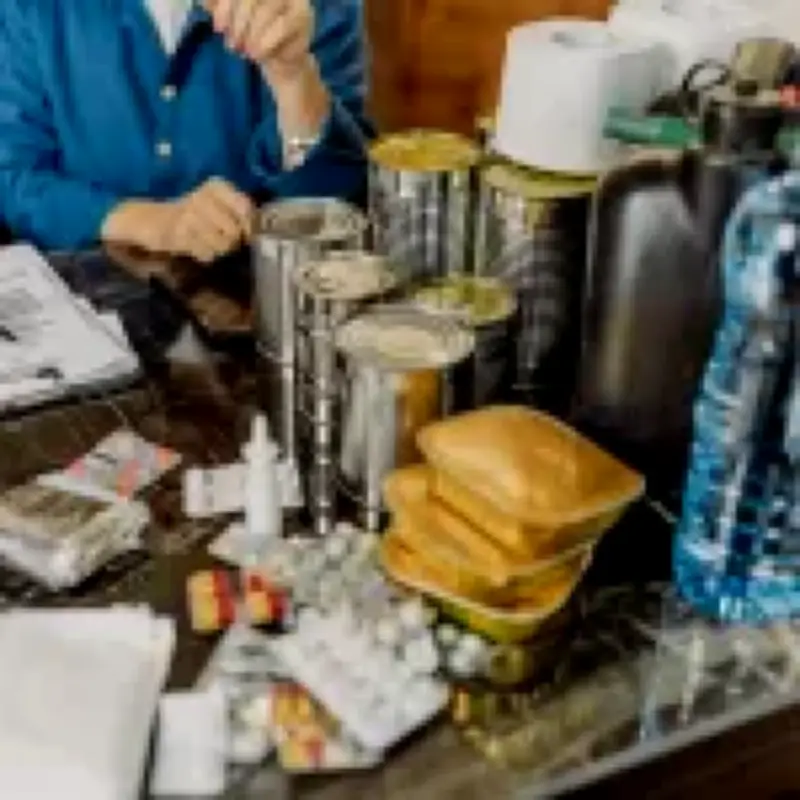
Sales of hand sanitiser rocketed by 83% year-on-year in the 10 days after the government's 'Be Ready' emergency checklist went live on October 22, making it the most-stocked essential item among Brits, according to Worldpanel data.
The increase outpaced bottled water, which rose by 67%, jarred goods, which went up by 37%, and tinned meat, which climbed by 43%. The 'Be Ready' campaign urges everyone to be prepared to manage for three days on their own, without essential or emergency services, so support can be diverted to those who need it most.
Why hand sanitiser is a prepping essential
Darren Rhodes, founder of UK Prepper Hub, told Metro that most people will need sanitiser for the 'boring basics'. He explained that events like burst mains, floods, and power cuts that stop pumping stations are exactly when keeping hands clean matters most. If hands cannot be washed, a stomach bug can quickly spread through a household. Sanitiser allows hands to be cleaned without using drinking water.
Other uses for hand sanitiser
In a pinch, hand sanitiser can act as a stand-in for deodorant, as the alcohol kills the bacteria that cause body odour. However, Rhodes noted it can sting on freshly shaved or broken skin and dries skin out, making it a short-term fix rather than a swap. Rinse-free body wipes are suggested as a kinder alternative when water is unavailable.
Sanitiser can also be used to clean tweezers, a tick remover, or a thermometer between family members. Its flammability means a small dab on cotton wool or dry tinder can help start a fire, especially in damp conditions. Rhodes stressed this must be done outdoors only, with a small amount, the cap back on, and the bottle well away before striking a match. He warned never to add more to a lit fire, and to wait until hands have completely dried after using sanitiser, as the alcohol on skin can catch. The flame can be almost invisible in daylight, which is how people get burnt.
What not to do with hand sanitiser
Rhodes advised against using hand sanitiser to disinfect wounds. He said it stings and the alcohol damages tissue that needs to heal. NHS advice is to clean a cut with running tap water or bottled drinking water, pat it dry, and cover it with a dressing. Sanitiser can be used on hands before touching a wound, but never directly in it. Sterile saline pods in a first aid kit are ideal for rinsing cuts when taps are not working.
When to replace it and the need for soap
Most bottles have an expiry date, usually two to three years from manufacture, and should be replaced after this point as the alcohol slowly evaporates and becomes less effective. Rhodes recommends looking for a product with at least 60% alcohol, keeping caps tight, storing bottles somewhere cool, and using the oldest first. If a bottle is runny, sticky, or smells weaker, it should be replaced.
Hand sanitiser is not a substitute for soap when water is available. Soap and water shift dirt and grease and remove some bugs that sanitiser does not touch, like norovirus. Rhodes advised keeping both: soap for when taps work, and sanitiser for when they do not.