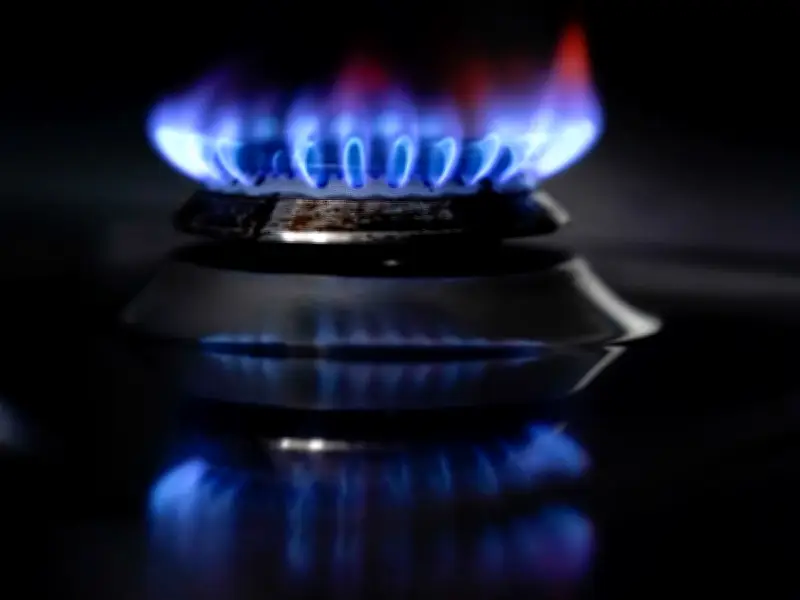
Ofgem, the UK energy regulator, has announced a 4% increase to the price cap, affecting all households not on a fixed energy tariff. The regulator stated that average annual bills for households using both electricity and gas will rise by £60 to £1,723—the highest average bill since July 2023.
Drivers Behind the Rise
The predicted increase is attributed to continued uncertainty surrounding the Middle East conflict, which has elevated wholesale energy prices. Additionally, ongoing heatwaves across Europe have increased gas demand for power generation, as more energy is needed for air conditioning and cooling.
VAT Removal Softens the Blow
The October increase is less than otherwise expected due to the proposed removal of VAT from household electricity bills. The Prime Minister previously said removing VAT would knock around £45 off the annual Ofgem price cap from October.

While higher wholesale prices are pushing up both gas and electricity costs, the VAT reduction means electricity bills will remain broadly stable. As a result, most of the increase is driven by higher gas costs, with gas bills rising by 8 per cent. Households that do not use gas will see a much smaller increase of less than 1 per cent, according to Ofgem.
Impact on Fixed Tariff Customers
The VAT removal also benefits customers currently on fixed tariffs, with the discount automatically applied by suppliers.