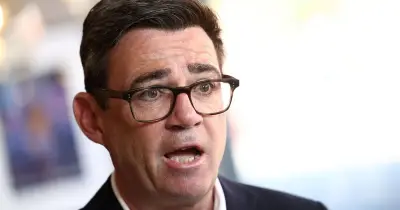
More than one in three households will struggle to afford their energy, just as bills are set to hit a three-year high. Experts predict regulator Ofgem will today announce another 4% increase in its price cap for tens of millions of households from October 1, taking typical bills to £1,941 a year. The latest bill shock is fuelled by the ongoing conflict in the Middle East.
Millions in energy debt
The fresh blow comes as research by Citizens Advice reveals over 10 million households – 37% of Brits – are worried about how they will afford their energy bills this winter. Its latest research suggests 3.5 million households are currently in energy debt, either because they are behind on their bills or without gas or electricity as they cannot afford to top up their prepayment meter.
Those in energy debt have told the charity they are going without to make ends meet, including cutting back on food spending (38%), not socialising as much with friends and family (36%), or cancelling holidays and not taking part in hobbies (36%).

Dame Clare Moriarty, chief executive of Citizens Advice, said: “A crisis used to be a once-in-a-generation event, but for millions it’s now an inescapable daily reality.
“Whether the price cap goes up or down, the reality for households remains the same: energy bills are simply still too high, prices continue to rise faster than incomes, and debt levels continue to grow. The government has already taken positive action to cut levies and VAT on electricity, but the impact of the conflict in the Middle East means people still face rising costs.
“To build on this, we need bold solutions to protect those most at risk of sitting in cold, dark homes this winter. Taking action could keep around £400 a year in the pockets of the people who need it most, providing a vital lifeline alongside existing support.”
EDF warns bills to stay high
Meanwhile, energy giant EDF has warned households to brace themselves for energy bills to remain sky high for the rest of the decade. The company predicts average bills will be more than £1,800 a year in 2030 if the government doesn’t extend temporary help, including leaving VAT off prices.
Households were already hit with a 13% increase in energy bills in July as the Iran war continues to drive up costs. The Ofgem price cap does not actually limit how much you pay for gas and electricity. Instead, it sets a cap on what you can be charged for unit rates and standing charges. This means your energy bill is still based on how much gas and electricity you are using.
Ofgem has updated its methodology for how it calculates its main price cap figures to reflect that people are now using less energy as a way to save money. Under its previous calculations, the current price cap is set at £1,862 a year and experts at Cornwall Insight predict this could rise to £1,941 in October. But based on its new lower estimates, the current price cap is £1,663 a year and analysts say it could increase to £1,729 in October. These figures represent what the typical household paying by direct debit can expect to pay a year for energy. Ofgem will announce its October to December price cap on August 26.
TUC calls for windfall tax
Jess Ralston, head of energy at the Energy and Climate Intelligence Unit, said: “Families have had little respite from energy price shocks since Russia’s invasion of Ukraine, and energy debt is already at record levels before winter has even begun. Short-term support from government may take some of the edge off, but Britain remains highly exposed to volatile gas prices being driven right now by the US-Iran conflict in the Middle East.”
Trade union body the TUC has renewed its call for a windfall tax on bank profits to pay for a cut to the majority of UK households’ energy bills. It comes as new polling conducted by YouGov for the TUC showed that, in the three months up to late June, more than a third of adults had cut back on hot water usage for baths and showers at least several times a month to reduce their spending – and 15% said they do this on most days. Some 37% said they did not use electrical appliances as often as needed regularly, with 15% doing this every day or most days.

The TUC is calling for an increase in the tax on banks’ profits to pay for a social tariff and cut bills for the majority of households by up to £559 a year. TUC General Secretary Paul Nowak said: “Households up and down the country are under the cosh. Too many are skipping meals, dipping into savings and having to cut back on life’s essentials.
“That’s why Andy Burnham is right to prioritise the cost of living. But the scale of the crisis means the government is going to have to keep going on measures to boost living standards – starting with a tax on banks’ enormous profits to cut energy bills for the majority of households.
“It’s plain common sense. Banks are raking it in while many up and down the country are struggling to get by – they can well afford to pay more tax to ease the pressure on working people.”