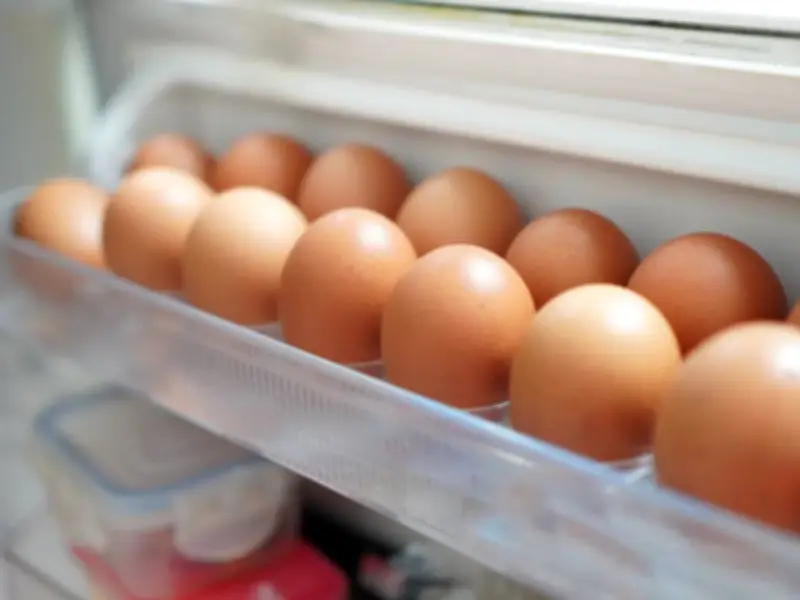
Eggs can stay fresh for up to 12 months when stored in the freezer, according to the British Egg Industry Council. Freezing whole eggs, egg whites, or yolks can extend their shelf life well beyond the typical three weeks they last in the fridge.
Freezing eggs for longer shelf life
The British Egg Industry Council advises that eggs can be safely stored for up to a year when frozen. While they can be frozen for 12 months, the council recommends using them within four months for optimal freshness.
To freeze whole eggs, the white and yolk need to be beaten together. The instructions are straightforward: "To freeze eggs whole, the white and yolk will need to be beaten together. Pour the contents into a container suitable for the freezer, label with the date, seal and freeze."
Freezing egg whites and yolks
Freezing egg whites is described as a "simple procedure". Pour them into a container, combine them, seal it securely, and freeze. To speed up thawing, it is advisable to freeze them in smaller portions.
Freezing egg yolks requires additional steps. Because of their thicker consistency, yolks will gel if frozen in their natural state, making them unsuitable for recipes. To prevent this, add half a teaspoon of salt, or one to one-and-a-half tablespoons of sugar, for each 240ml of raw egg. Use salt for savoury dishes and sugar for sweet preparations.
Defrosting and using frozen eggs
Frozen eggs must be thoroughly defrosted before consumption. Regardless of their form, they can only be eaten in fully cooked dishes and should never be cooked straight from frozen. To defrost, move the egg from the freezer to the fridge overnight. For a faster approach, run cold water over the frozen container. Use the eggs immediately once they have thawed.