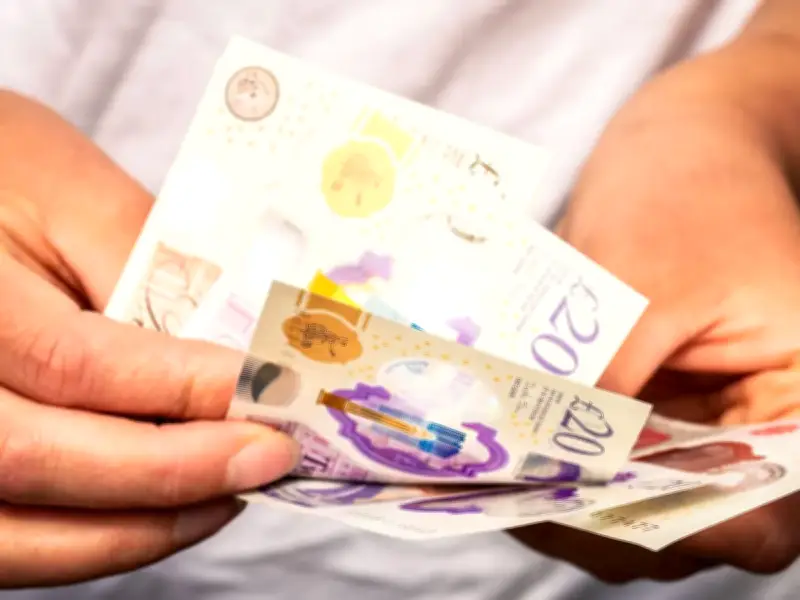
The Ofgem energy price cap has risen to £1,723 for the average household, but millions of benefit claimants are in line for a £150 energy bill rebate this winter - unless they missed a key deadline.
The regulator's adjustment means the cap will climb by £60 annually – equivalent to £5 monthly – reaching £1,723 for the typical household using both electricity and gas, should this rate persist for a year.
Who qualifies for the £150 rebate
Energy consumers have been told that 24 providers have enrolled in a programme delivering a £150 payment directly into eligible accounts. Every household where the account holder receives means-tested benefits qualifies for the rebate.

In England and Wales, households receiving Housing Benefit, Income-related Employment and Support Allowance, Pension Credit and Universal Credit will be eligible – mirroring last winter's criteria.
However, some will be excluded – there was a crucial deadline this month – 23rd August – for households to ensure the benefit recipient is registered as the named account holder on the energy bill. Should a household have overlooked this requirement, they will forfeit the £150 rebate.
Reaction to the price cap rise
Citizens Advice chief executive Dame Clare Moriarty said: “Today’s price cap rise pushes energy prices to a three-year high. It’s another sign of the relentless erosion of living standards across the country: energy bills are simply too high, prices leapfrog incomes and debt levels continue to grow.
“The Government has already taken positive action to cut levies and VAT on electricity, but the impact of the conflict in the Middle East means people still face rising costs. We need further bold action to protect those most at risk of being trapped in cold, dark homes this winter.
“The Government must commit to funding a reformed energy support scheme for those who need it most, like single-parent families and disabled people.”
Simon Francis, co-ordinator of the End Fuel Poverty Coalition, said: “As with previous rises, it is the price of gas driving this latest increase. Every unit of gas used will be significantly more expensive than last winter and more than 150% higher than at the end of 2020.
“Price rises fall hardest on the households who can least afford them, with millions forced to pay more for the same energy or ration the energy they use even further.
“Cutting VAT on electricity and last year’s extension of the warm home discount was a start, but ministers need to go further and faster in helping people.
“That means further expansion of support programmes, funding a proper energy debt relief scheme and a serious push to improve energy efficiency of the homes that need it the most.”
Suppliers in the winter 2026-2027 scheme
The following suppliers will be part of the winter 2026 to 2027 scheme: 100Green (formerly Green Energy UK or GEUK), Boost, British Gas, E - also known as E (Gas and Electricity), Ecotricity, EDF, EnergyCoop – see Octopus Energy, E.ON Next, Fuse Energy, Good Energy, Home Energy, London Power, Octopus Energy, Outfox Energy, OVO, Sainsbury’s Energy, Scottish Gas – see British Gas, ScottishPower, So Energy, Square 1 Energy Ltd, TruEnergy, Tulo Energy, Utilita, Utility Warehouse.
Regarding today's bill increase, Ofgem stated the rise reflected elevated wholesale gas prices stemming from the ongoing Middle East conflict, with volatile global markets remaining the primary driver of price fluctuations.
Neil Kenward, Ofgem's director general for markets, said: "High international gas prices are continuing to drive energy costs in the UK."
"We welcome the Government's intervention to remove VAT from electricity bills, without which customers would have faced even higher costs this winter. Savings are available by choosing a fixed tariff, which are available at £100 or more below the October price cap, and many suppliers offer tariffs with cheaper electricity to smart meter customers for electricity consumed out of peak times.
"It's also worth considering different payment methods, with prepayment customers paying the lowest price cap rates, and could save consumers an average of about £45 compared to direct debit."

Future price cap projections
The latest price cap is calculated using Ofgem's revised definition of a typical consumer, implemented from July to account for declining household energy consumption. It would equate to £1,941 annually based on previous calculations, up from the current £1,862.
The raised October cap, which will stay in place for three months, takes effect as households begin increasing their energy consumption through more regular heating use, adding to bills. In a further setback for households, analysts Cornwall Insight published their latest projection on Wednesday, forecasting an additional 9% rise to the price cap in the New Year.
This would push an average January bill up to £1,872 annually, £149 higher than October's £1,723.
Energy Secretary Miatta Fahnbulleh said: "Families will be understandably concerned about the cost of energy bills this winter, which is being driven up by the Iran war.
"Energy is an everyday essential and it needs to be affordable for everyone, which is why we have cut VAT on electricity bills from October, to give families some breathing space.
"This has limited the rise in the price cap and follows the £150 in costs we removed from bills earlier this year, and we will keep looking at what more we can do to protect families from unaffordable bills."
Shadow energy secretary Claire Coutinho said: "Labour promised to cut energy bills by £300, but they have gone up by nearly £400 instead.
"Our cheap power plan would cut energy bills for households and businesses by scrapping Government taxes and levies on bills, and it wouldn't cost the taxpayer a penny. We have to put cheap energy first."
Ned Hammond, Energy UK's deputy director for customers, said: "This latest increase is in line with the predictions and any such rise is always more worrying over the winter months when customers naturally use more energy.
"Coming off the back of a significant hike over summer, this further intensifies the challenges faced by customers struggling to afford their bills.
"As well as measures to improve targeted support, the Government needs to assess how to bring bills down over the longer term.
"The impact the conflict in the Middle East has had on gas prices underlines why we need to move to using more of our own sources of clean energy.
"But it's equally true that we need to look at a fairer way of funding the policy and system costs that are also driving bills higher."