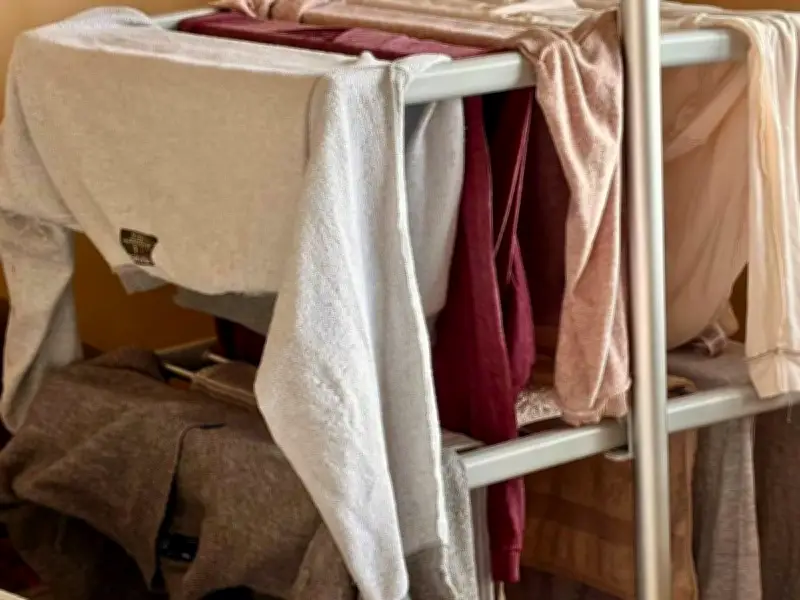
Two loads of laundry can be dried in four to five hours for as little as 32p using a dehumidifier, a method that also helps with heating and tackling mould at home. Angela Patrone, a Senior Lifestyle Reporter, has used this tumble dryer-free approach for about three years and says it keeps clothes smelling fresh while cutting energy costs.
Extra Spin Cycle Speeds Up Drying
The first step happens while clothes are still in the washing machine. Patrone runs an additional spin cycle at the end of every wash to remove as much excess water as possible, which she says is particularly effective with jeans, bedding, and towels. She has maintained this habit for years and notes the difference is remarkable.
Once the spin cycle finishes, she removes the clothes promptly rather than leaving them in the machine, as bacteria can flourish in damp, poorly ventilated conditions. If she cannot hang the laundry on a drying rack immediately, she places it in a laundry basket in a well-ventilated space to prevent musty smells.
Airer Placement and Dehumidifier Use
Patrone arranges the items on an airer kept in a compact room, explaining that a more confined space helps garments dry faster. She puts smaller and lighter pieces at the bottom and heavier items on top, since warm air rises and helps bulkier clothes dry more quickly. Hangers can provide additional space if needed.
Using a dehumidifier alongside the airer is what really accelerates drying, she says. Priced between £150 and £200, the appliance draws in air from the room, extracts moisture, and releases warm, dry air, which dries clothes considerably faster while helping with dampness, condensation, and mould.
Cost and Efficiency Benefits
The running cost depends on the model. Patrone has used the Swan's 20L Low Energy Dehumidifier for roughly three years, and it costs approximately 8p per hour to run. Drying two loads of washing simultaneously on an airer takes around four to five hours, working out at between 32p and 40p per drying cycle.
She advises keeping windows and doors shut while the dehumidifier runs so it operates as efficiently as possible. Positioning the appliance with its air outlet facing the clothes keeps vents clear and promotes good airflow, allowing it to draw in excess moisture and circulate warmer, drier air throughout the room. This speeds up drying time and helps preserve a freshly laundered scent.
Dehumidifiers can also improve heating efficiency: dry air is easier to heat and naturally feels warmer, so households may be less likely to turn up the thermostat when drying laundry in the evening.