One in four UK couples (25%) are now choosing 'micro weddings' with smaller guest lists, according to a new survey of 2,000 adults by engagement ring specialist F. Hinds. The research reveals a sharp shift towards smaller, cheaper, and more practical celebrations as the cost-of-living crisis continues to bite.
Cutting costs across the board
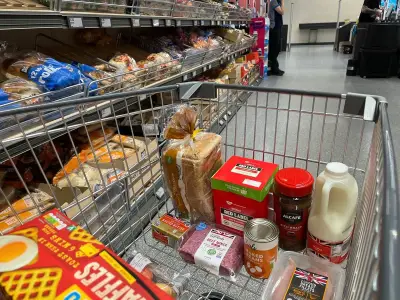
Fourteen percent of couples are even considering eloping to keep costs down, while the same percentage are open to hosting BYOB (bring your own drinks) receptions. Twenty-two percent are opting for grazing tables and buffet-style catering over formal sit-down meals, a move that can significantly reduce venue and catering costs.
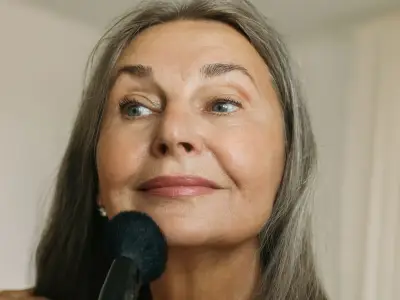
Fifteen percent plan to do their own hair and makeup, swapping professional services for DIY alternatives. Bridal fashion is also shifting, with 12% choosing non-traditional coloured dresses and 9% opting for shorter styles, often seen as more affordable and easier to re-wear.
Traditions that endure
Despite the move towards affordability, some traditions remain strong. Two-thirds of Brits (66%) still see exchanging wedding rings as the most important part of the ceremony, making it the nation's top tradition. Forty-five percent say exchanging vows is essential, and 41% still value walking down the aisle.
Couples are becoming more selective, investing in elements that matter most while scaling back on those that feel less essential. The squeeze on finances is also reshaping engagement and wedding jewellery choices. While 21% still favour traditional diamond rings, 17% would choose coloured gemstone rings, and 13% are open to lab-grown diamonds, rising sharply to 33% among 18-24-year-olds.
Social media's role
More than half (52%) of 25-34-year-olds use TikTok for wedding planning, alongside Instagram (25%) and Pinterest (20%). Instead of aspirational luxury, many are seeking practical hacks, from affordable décor ideas to DIY styling tips.
Jeremy Hinds, Jewellery Expert at F. Hinds, said: "What we're seeing is a clear shift in priorities. Couples are becoming more thoughtful about where they spend their money, focusing on the elements that hold the most emotional value. The exchange of rings remains a cornerstone of the ceremony for two-thirds of couples, which shows that symbolic, meaningful traditions are still incredibly important - even during a cost-of-living crisis. At the same time, there's a growing openness to alternative options, particularly among younger couples."
Ultimately, the findings highlight a major cultural shift in how Brits approach weddings in 2026. Whether trimming guest lists, cutting catering costs, or choosing more affordable jewellery, today's couples are proving that a meaningful wedding doesn't have to come with a luxury price tag.