
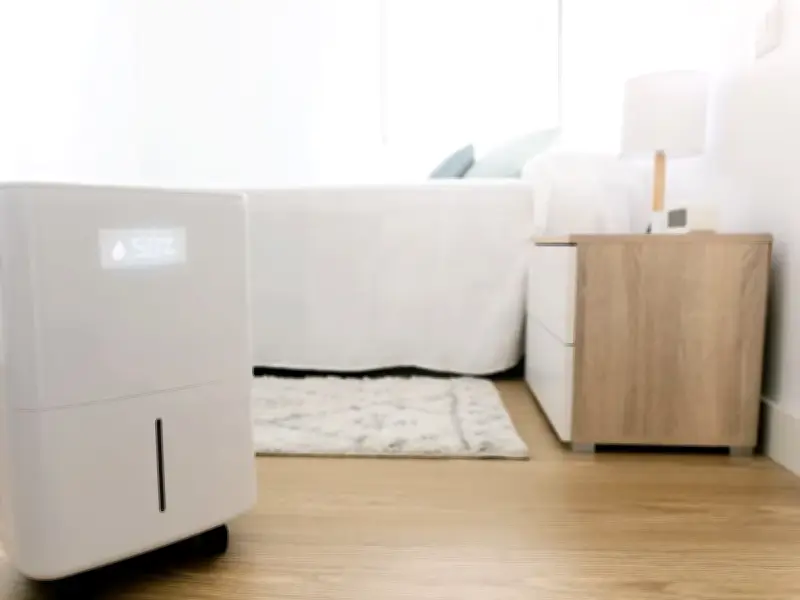
Households across the UK are being urged to rethink how they dry their washing indoors this autumn, as the latest 4% hike in the Energy Price Cap takes effect. With millions of families looking for practical ways to keep utility bills down as the weather turns colder and wetter, an appliance expert has revealed a cost-effective alternative to turning on the central heating or relying on energy-hungry tumble dryers.
Expert backs dehumidifier as energy-saving alternative
Jack Duffy, air treatment expert at electrical retailer AO.com, says placing a dehumidifier in the same room as a clothes horse can drastically speed up drying times while protecting homes from winter damp.
“As households face higher energy bills, many are looking for simple ways to keep costs down at home,” Mr Duffy explained.
How to get the best results
“Drying laundry indoors can be particularly challenging during autumn and winter, and it's often tempting to turn up the heating or rely more heavily on a tumble dryer to get clothes dry quickly.”
“However, many people overlook the role a dehumidifier can play. While it's commonly associated with tackling damp and condensation, it can actually help create better conditions for drying clothes indoors by removing excess moisture from the air.”
According to Mr Duffy, a dehumidifier uses significantly less electricity than heating an entire room, making it an ideal substitute for putting the radiators on purely to dry wet garments.
To maximise the gadget's effectiveness, householders are advised to put their washing through an extra spin cycle in the washing machine before hanging it out—provided garment care labels allow it—to remove as much excess water as possible beforehand.
Containing the moisture in one area is also essential. Mr Duffy recommends placing the drying rack and the dehumidifier in the same closed room, while ensuring there is enough clear space around the appliance for air to circulate properly.
Dual benefit for homes
Beyond cutting down laundry times, the method offers a dual benefit for British homes struggling with poor ventilation during the colder months.
“The best part of using a dehumidifier is that it doesn’t stop at helping with your washing,” Mr Duffy added. “While your clothes are drying, it's also helping to tackle the excess moisture that can build up around the home during the colder months. For households looking to get more from the appliances they use, it's a simple way to help cut costs and get the most out of your energy.”




