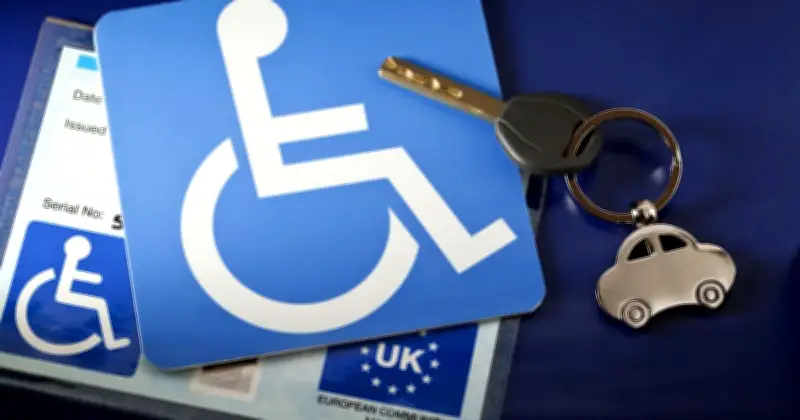
Blue Badge holders in the UK can cut their Vehicle Excise Duty (VED) bills by as much as 50%, while some disabled motorists may qualify for complete exemptions and pay nothing at all.
VED applies to almost all petrol, diesel and electric car owners, who must tax their vehicle to drive legally. Fees vary with the age of the car and its emissions, ranging from £29 per year to more than £5,000.
Who can claim the 50% reduction
GOV.UK confirmed that road users can get a 50% reduction in vehicle tax on one vehicle if they are eligible. The vehicle must be registered in the disabled person's name or their nominated driver's name.
Motorists qualify for the saving if they receive the standard rate mobility component of Personal Independence Payment (PIP) or the standard rate mobility component of Adult Disability Payment (ADP). Receiving either benefit should be enough to qualify for a Blue Badge, allowing holders to park closer to amenities and shopping centres.
Full VED exemption for some drivers
Some disabled drivers and Blue Badge holders can apply for a full VED discount. GOV.UK stated that a vehicle tax exemption is available for one vehicle if eligible, with the vehicle registered in the disabled person's name or their nominated driver's name. The vehicle must be used for a disabled person's personal needs and cannot be used by the nominated driver for their own personal use.
Motorists can apply for a full exemption if they receive the higher rate mobility component of Disability Living Allowance (DLA) or the enhanced rate mobility component of Personal Independence Payment (PIP). Those getting the enhanced rate mobility component of Adult Disability Payment (ADP), Scottish Adult Disability Living Allowance, or the higher rate mobility component of Child Disability Payment can also apply.
Motorists receiving a War Pensioners' Mobility Supplement or Armed Forces Independence Payment are also urged to submit for an exemption. The savings could particularly help in 2027, with the Treasury confirming that VED rates will rise again from April next year.