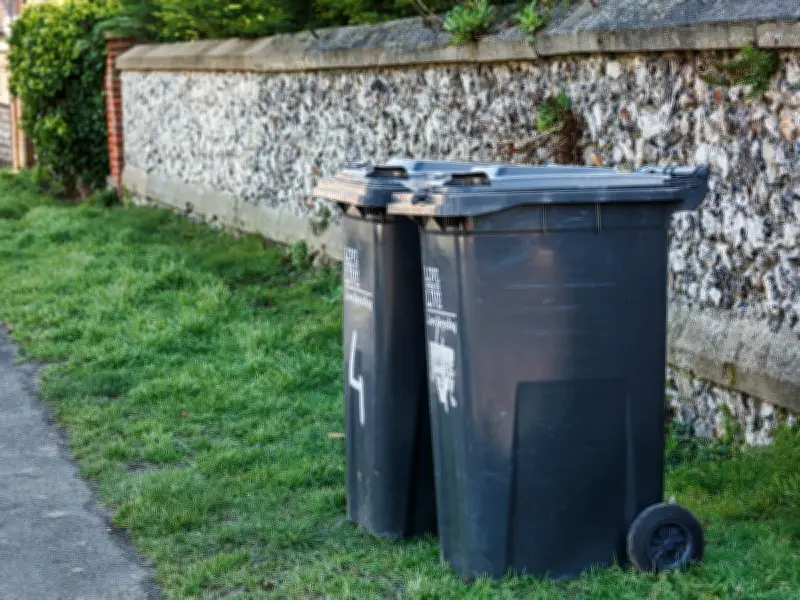
Householders are being warned that a wide range of electrical items are banned from regular waste bins, with potential fines of up to £5,000 for those who break the law, according to experts.
Many people unknowingly dispose of broken small electrical appliances in their everyday rubbish, but this is illegal. Items such as hairdryers, straighteners, drills, toasters, and radios are all prohibited, as are larger items like TVs, laptops, and PCs.
In the UK, it is against the law to place Waste Electrical and Electronic Equipment (WEEE)—anything with a plug, battery, or cable—into general household waste or recycling bins. Individuals prosecuted for doing so risk fines up to £5,000, while commercial breaches can lead to unlimited penalties.
Expert and Council Warnings
T&M Reuse Yorkshire highlighted that post-Brexit, WEEE regulations remain aligned with EU standards, requiring all electronic waste to be recycled through approved channels. They stated: "All Waste: Prohibited from general bins—illegal dumping incurs fines up to £5,000 for individuals and unlimited penalties for businesses."
The Waste Group warned about the dangers of discarding old televisions, saying: "That old telly gathering dust in the corner? Thinking of just dragging it out to the kerb with the weekly rubbish? It might seem like the easiest solution, but doing so is a big mistake – and it’s against the law." They added that TVs contain hazardous materials that can harm the environment if they break down in landfills.
Northamptonshire council also issued guidance, stating: "In the UK, electricals should not go in general waste or your household recycling bin. That covers everything with a plug, battery, or cable." They noted that incorrect disposal can cause fires in collection lorries, contaminate recycling loads, and release hazardous substances.
Common Banned Items and Why
Common household items that are classified as WEEE include kitchen appliances like kettles and toasters, entertainment devices such as TVs and game consoles, small appliances like vacuums and hairdryers, garden tools like drills and lawn mowers, smart devices and wearables, cables and chargers, and toys with batteries.
Batteries, including built-in rechargeable packs, also require special handling. Loose batteries should be removed and recycled separately at designated collection points.
Electricals do not belong in household bins for several reasons: safety (damaged batteries can cause fires), environmental protection (devices contain lead, mercury, and flame retardants), and resource recovery (electronics contain valuable metals and plastics that can be reused).
Councils advise that items should be repaired or reused where possible. Before disposing of phones, tablets, laptops, or drives, users should back up data and perform a factory reset, or request secure data destruction if needed.