Parents, experts and politicians are demanding tough new measures to protect Scotland's children online after a landmark court settlement against Facebook owner Meta in the US.
The tech giant, which also owns Instagram, is to pay $18billion (£13bn) after a legal battle where 47 states accused the firm of designing the social media platform with addictive features that could harm children and teenagers’ mental health.
Settlement Terms for Under-18s
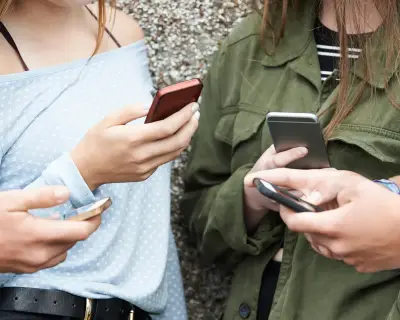
The settlement requires Meta to introduce new rules for under-18s including daily usage limits and night-time blocks, as well as muting notifications during school hours. It will also hide the number of “likes” and reactions to posts by default and block teens from using extreme make-up filters.

Meta has also committed to strengthening measures to prevent underage accounts being created and protecting teenagers from harmful content. However, the new measures will only apply to users in America and the case has sparked renewed calls for urgent new protections in the UK.
Family Campaigns for Change
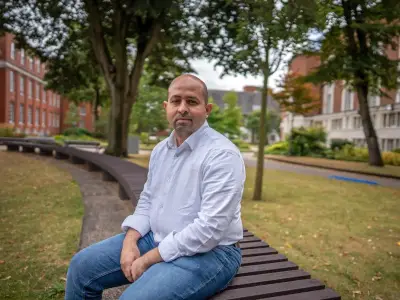
Vicky Donald’s daughter Kaylynn was 12 when footage of her assault on a school bus in Ladybank, Fife, was circulated online four years ago. She told the Sunday Mail: “I absolutely believe that both the Scottish and UK Governments need to do much more to safeguard children when it comes to social media.
“Our family has seen first-hand just how detrimental the impact can be, not only on a young person, but on the whole family. While financial settlements may bring some form of accountability, they do not necessarily give families confidence that meaningful and lasting change will follow.
“What matters is that children are actually protected from harm in every part of the world, rather than companies simply paying the price when things go wrong. I have been campaigning, alongside other parents, for more than three years now. The fact that we are still having many of the same conversations and fighting for many of the same protections speaks volumes about how far behind we remain when it comes to safeguarding children online.
“Our children are growing up in a digital world that moves incredibly quickly, yet legislation and meaningful protections seem to be constantly playing catch-up. Parents should not have to spend years campaigning, raising awareness and sharing their own experiences before governments take decisive action.
“Nor should the responsibility for keeping children safe be left primarily to parents to navigate platforms designed and operated by some of the world’s biggest and most powerful technology companies. I genuinely believe there is a responsibility on both the Scottish and UK Governments to show much greater leadership. We need stronger protections, proper enforcement and meaningful accountability for platforms when their products and design choices put children at risk.
“Children cannot advocate for themselves in the same way adults can. They rely on the adults around them, and on governments to put their safety ahead of commercial interests. After more than three years of campaigning, it is incredibly frustrating we still have to keep asking for what should be a basic expectation – that our children are protected.
“I remain hopeful that things can change, but hope needs to be matched with action. Our children deserve better, and families should not have to wait for another tragedy nor another legal battle before governments decide enough is enough.”
Legal and Political Responses
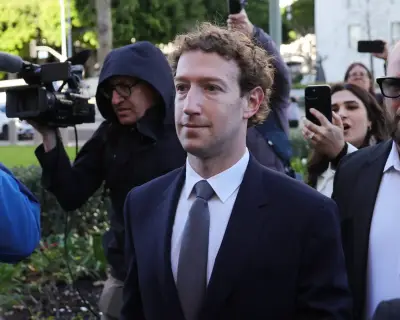
California, Colorado, Kentucky and New Jersey were among 29 states suing the tech giant in 2023, but the deal cuts short a trial that was expected to see chief executive Mark Zuckerberg give evidence before a jury.
Childlight, the global child safety institute hosted by University of Edinburgh, estimates that 300million children face sexual exploitation and abuse online each year. A spokesperson said: “With hundreds of millions of children affected by technology-facilitated sexual exploitation and abuse each year, the stakes could hardly be higher.

“The scale of this settlement sends a powerful message that the safety of children must come before the commercial interests of platforms. Measures around screen access, stronger age assurance and greater protection from suspicious accounts are welcome. But the devil is in the detail… these measures must deliver real, measurable reductions in harm.
“We need social media platforms to put child safety ahead of profit and proactively detect, remove and prevent child sexual abuse material, and design platforms around prevention, not simply responding after harm has occurred. And legislators must move further towards prevention-focused initiatives to protect millions of children from potentially lifelong harms. But this settlement is an important step forward.”
Edinburgh was the first Scottish council to introduce a council-wide policy restricting mobiles in schools, using lockable pouches. Last week, East Lothian followed suit.
Scottish Labour education spokesperson Katherine Sangster said: “It is right that the UK Government is banning social media use for under-16s and it is important these significant changes are done with the care and consideration required.
“The SNP government must play its part and use the powers it has to keep kids safe – from getting phones out of classrooms to ensuring kids are properly supported and informed.”
A UK Government spokesperson said: “While this is a matter for Meta and the US courts, we are following developments closely. The Online Safety Act, which applies in the UK, requires platforms to protect users under 18 from harmful content. We are also taking action on harmful features and addictive functionalities like limiting excess screentime and infinite scroll.”