Drivers could be unknowingly paying for fake MOT certificates that leave them behind the wheel of unsafe vehicles, motoring experts have warned. The warning comes as the DVSA introduces new rules requiring garages to photograph vehicles during MOT tests in a bid to crack down on so-called "ghost MOTs", where certificates are issued without a proper inspection taking place.
New DVSA rule targets 'ghost MOTs'
The rule change has been trialled at some garages and is now being rolled out more widely. Many motorists assume that once they receive an MOT certificate, their vehicle has passed all the necessary safety checks, but experts warn that fraudulent MOTs can leave drivers unknowingly behind the wheel of unsafe vehicles, potentially facing expensive repairs, invalid insurance claims and even penalty fines.
Keith Hawes, director of car leasing provider Nationwide Vehicle Contracts, has highlighted the key warning signs that could indicate an MOT certificate is not genuine.
Signs your MOT could be fake
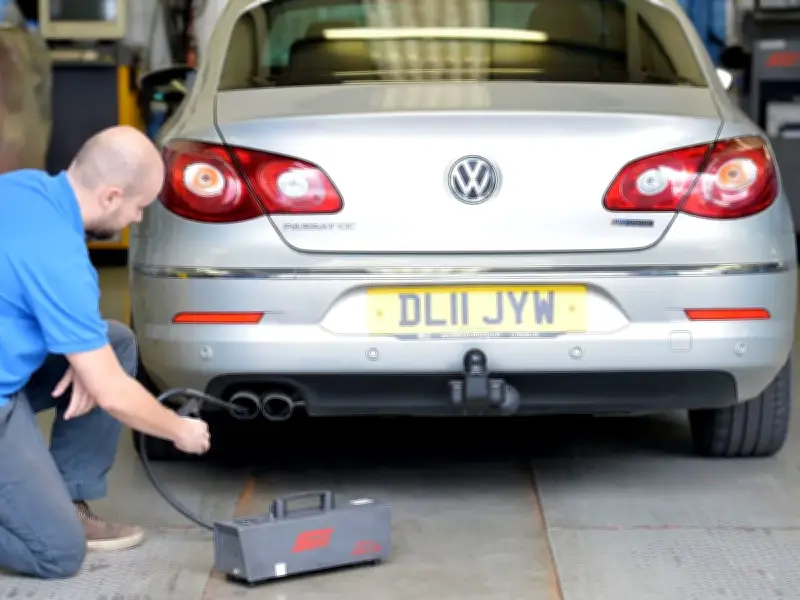
Your vehicle was never physically inspected. The biggest warning sign is receiving an MOT certificate without your car undergoing a full inspection. The DVSA's new nationwide "Photos at Test" scheme requires testing stations to upload a photograph of the vehicle on the inspection ramp with its registration plate visible, making it harder for rogue operators to issue certificates for cars that never attended the test.
The garage offers a guaranteed pass. No legitimate MOT testing station can guarantee that a vehicle will pass its MOT. Any business advertising a guaranteed pass regardless of vehicle condition should immediately raise concerns.
The MOT record doesn't appear online. Drivers can check their vehicle's MOT status and history using the government's online MOT checker. If a recently issued MOT cannot be found in the DVSA system, motorists should contact the testing station and investigate further.
The test was completed unusually quickly. While testing times vary, a full MOT inspection involves a detailed assessment of a vehicle's safety and roadworthiness. If a certificate is issued within an unusually short timeframe, drivers may wish to verify that all required checks have been completed.
Payment requests seem unusual. Be cautious if a garage insists on cash-only payments or refuses to provide receipts or documentation. Legitimate testing centres should be able to provide clear records of any MOT work carried out.
What are the risks of a fake MOT?
A fraudulent MOT certificate may give motorists a false sense of security, allowing potentially dangerous faults to go undetected. This can lead to expensive repair bills for issues that should have been identified earlier, reduced vehicle safety, potential insurance complications, increased risk of breakdowns, and the possibility of driving a vehicle that does not meet legal roadworthiness standards.
Mr Hawes said: "The vast majority of MOT centres carry out important work keeping Britain's roads safe, but unfortunately there are some rogue operators who attempt to exploit the system. The introduction of mandatory vehicle photographs is a positive step that should help improve trust in the MOT process and make it more difficult for fraudulent certificates to be issued."
"Motorists should always ensure their vehicle physically attends its MOT appointment, check their MOT history online and be wary of any garage promising a guaranteed pass. If something feels too good to be true, it usually is."