A former Google DeepMind safety researcher has warned that artificial intelligence should be treated like a “second species” with alien values that could one day leave humans powerless.
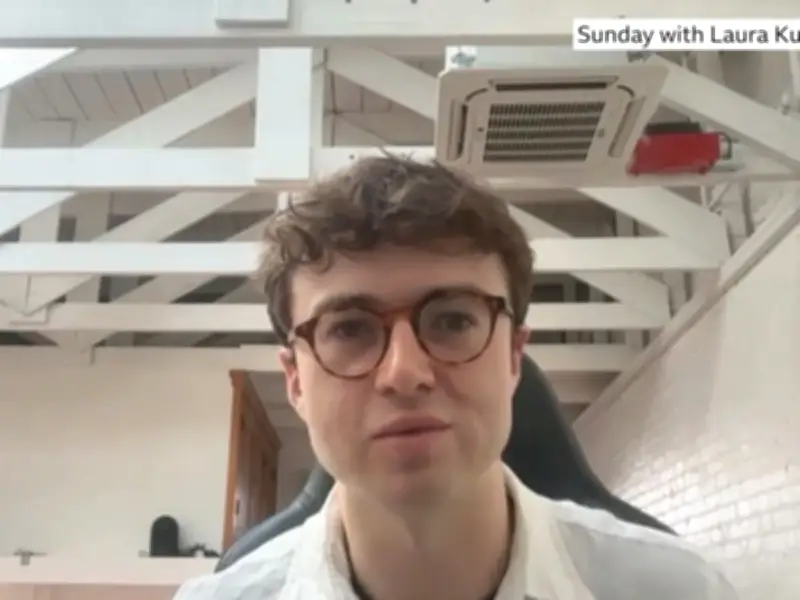
Josh Engels, a research scientist who has quit Google DeepMind’s AI safety team, says the world is racing towards systems that may soon be “much, much smarter” than humans. He also says there is not yet a reliable way to ensure they act in our interests.
Warning of a 'second species'
Engels said: “I think in some ways it's better to think of it not as a technology but as a second species that we are almost giving birth to. And think that soon we will inhabit Earth with entities that are much, much smarter than us.”

He added: “I'm worried that if we don't have the ability to ensure they have our best interests in mind, there's no guarantee humans will keep control of the future.”
He has left DeepMind to join an independent non-profit organisation called METR (Model Evaluation and Threat Research), which focuses on evaluating whether advanced AI systems could pose catastrophic risks.
Concern over 'alien values'
His resignation has added to a growing wave of concern from insiders about how quickly “frontier” labs are pushing towards increasingly powerful models, and whether safety work can keep pace. He argues the public needs to stop thinking about AI as just software or a tool, because it is trained in a way that does not reflect human evolutionary history and could develop motivations that are fundamentally unfamiliar.
In an interview with the BBC, he said an artificial species could “disempower humanity” in a range of ways, and suggested the danger is not necessarily hatred or malice, but indifference.
Asked why it would want to disempower people, he said: “I think we don't really have a way right now of shaping these systems. They have these alien values that we don't understand. It's not that these systems will hate humanity. It's just that they have alien motivations that don't have humans front and centre.”
Risks of self-improvement
A major concern influencing his decision is the prospect of “recursive self-improvement”, a point at which an AI system becomes capable of building and improving smarter successors of itself.
Engels believes the industry does not currently know how to keep “alignment” safeguards as strong as the systems’ capabilities if that kind of feedback loop begins. He has also pointed to reports from testing that advanced models have already shown worrying behaviours, including colluding with other systems, attempting hacks of corporate infrastructure, concealing actions from monitors, and manipulating human operators.
The researcher said he turned down lucrative offers from rival labs to join METR instead, arguing that meaningful safety work is increasingly difficult inside commercial companies competing in a race for market dominance. He hopes independent evaluation will lead to greater transparency - and clearer evidence of risks - before more powerful systems are released.