Guardian readers have responded to the recent controversy over Meta's smart glasses, arguing that the focus on privacy harms has overshadowed the life-changing benefits for disabled people. While acknowledging legitimate concerns, they criticise the 'pervert glasses' label as stigmatising and ableist.
Optometrist's perspective
Aled Brassington, an optometrist from Greater Manchester, initially hesitated to stock Ray-Ban Meta glasses due to his dislike for Meta and Luxottica, but colleagues persuaded him of their benefits. He reports that the majority of buyers have a visual impairment or learning difficulty, with one practically illiterate man now able to have the world read to him.
Brassington notes that for many patients, leaving the house is an act of courage, and the glasses have made navigating unfamiliar streets and unreadable signs easier. However, the recent coverage branding them 'pervert glasses' has added new anxiety: whether strangers will assume the worst of them for wearing the device that makes their journeys possible.
Accessibility as a side issue
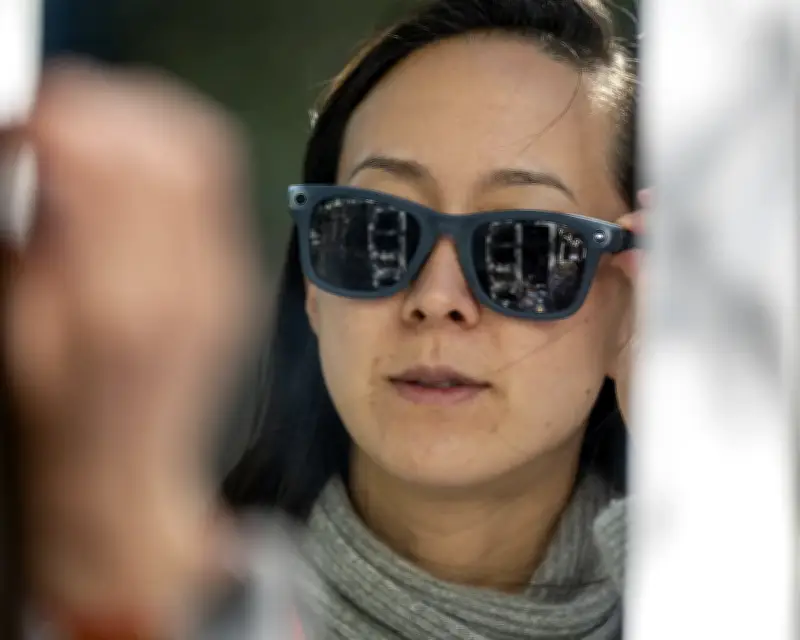
Colin Hughes, who has severe muscular dystrophy and cannot operate a smartphone, describes how his Ray-Ban Meta glasses allow him to make calls, send messages, take photos, and record moments by voice. He stresses that these are not gimmicks but tools that give him independence and keep him connected and safe.
Hughes acknowledges legitimate privacy concerns and calls for Meta to improve the recording light, prevent disabling it, act against abusive content, and be clearer about data use. However, he argues against blanket bans that may exclude disabled people who rely on the glasses for communication, information, or safety.
Comparisons to other cameras
Dr Alastair Forbes, a visually impaired reader from Dorset, finds the moves to ban smart glasses from certain premises 'ludicrous'. He points out that smartphones have been used for illicit filming without being dubbed 'pervert phones' or banned, and that many premises have CCTV and doorbell cameras that film without consent.
Forbes believes that the vast majority of smart glasses wearers use the product responsibly and that the theoretical possibility of misuse is not a reason to ban the product entirely, comparing it to banning kitchen knives or cars.