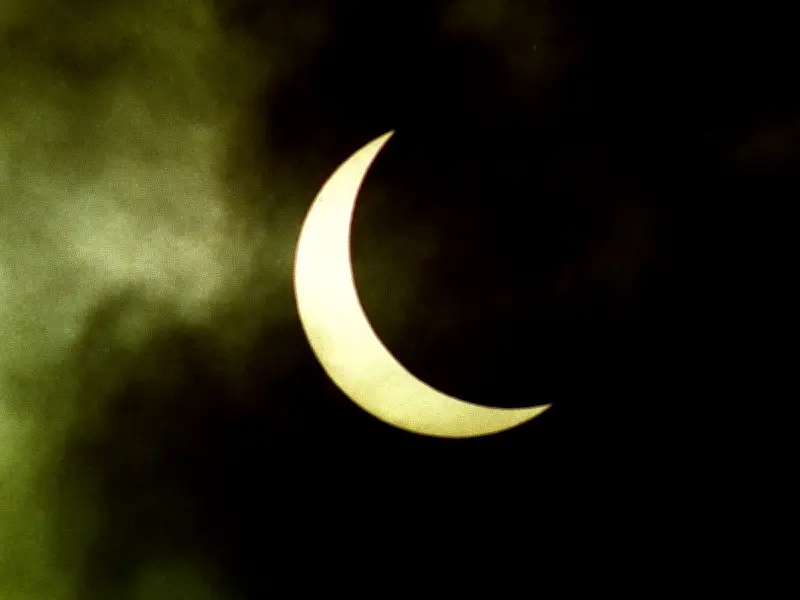
Tonight, Wednesday August 12, millions of people across the UK will witness a rare partial solar eclipse, the most dramatic in almost three decades. In Liverpool, the Moon begins to cover the Sun at 6.13pm, reaching maximum eclipse at 7.10pm, and ending at 8.03pm.
Protecting Your Eyes and Camera
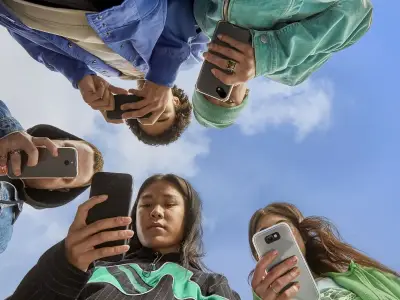
Viewing the eclipse without proper protection can damage your eyes. Similarly, pointing your camera or smartphone directly at the Sun can damage the device. Antonio Garcia Fernandez, of Volunteer Astronomy Observers of Spain, said the lens must be protected by a special-purpose solar filter to photograph it safely.
Recommended Solar Filters
The astronomy group recommends the Solar Snap filter, the only smartphone-compatible filter certified to the international ISO 12312-2 standard for solar filters. Alternatively, you can use a pair of eclipse glasses over the lens, which are more widely available.
NASA's Advice for Smartphone Users
NASA has issued a warning about using smartphones to take pictures of the eclipse. Their advice states: "The best practice would be to hold a pair of eclipse glasses in front of your phone’s lenses when photographing the Sun at any point other than totality."