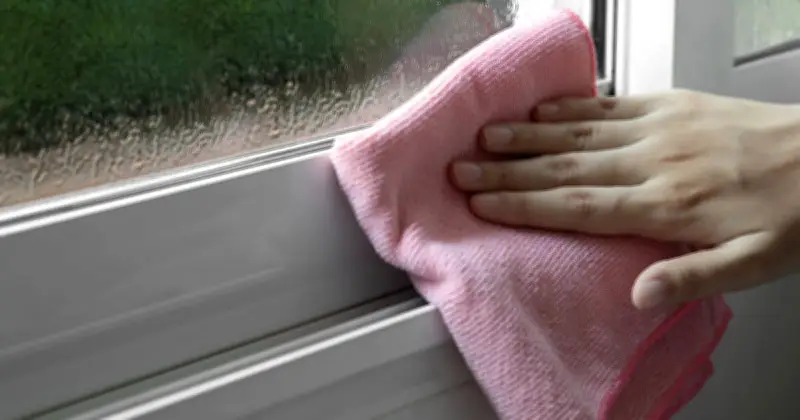
Condensation on windows can be a persistent problem going into autumn and the colder months of the year. It's important to remove any moisture from your windows to avoid mould setting in and causing damage. But if you are taking swift action to wipe away the condensation from your windows in the morning, you may want to think about how you do this.
Best practices for dealing with condensation
Experts at heating and cooling specialists BOXT have shared some best practices when it comes to dealing with this common issue. Lead engineer Adam Knight said there is no need for a costly solution.
He said: "You don't need an expensive gadget for a little condensation. A clean, absorbent cloth or towel will do the job: wipe the glass, frames and sill dry, then wring the water into the sink." But he said you could be undoing your work depending on what you do next.
Common mistake
The expert said: "The detail people miss is what happens next. Leave that wet towel on a radiator and you're putting the moisture straight back into the room."
You may be thinking of investing in a high-tech device with a vacuum to make sure all the moisture is gone for good. But Mr Knight said this may be a bit overkill.
He said: "A window vacuum can make larger amounts easier to collect, but it's a convenience rather than a necessity. The priority is to remove the water promptly and deal with why it keeps appearing. If mould has already developed, drying the surface alone won't deal with it."
Simple changes around the home
If you regularly have to remove condensation from your windows, you may want to make some changes around your home. Mr Knight said: "If you're wiping the inside of your windows every morning, the moisture is telling you something. The best approach is to reduce how much builds up and give it a way out."
His tips to stop the moisture appearing include: use extractor fans when cooking and showering, keep trickle vents open, put lids on pans when cooking, ventilate rooms where you are drying your washing, and make sure you have adequate heating and insulation to keep surfaces warmer.
Mr Knight explained the risks involved if you don't deal with the condensation. He said: "Left sitting there, moisture can encourage mould and damage paintwork, plaster and timber frames. Damp and mould can also affect respiratory health. If condensation keeps returning, investigate the cause, including ventilation problems, leaks or building defects. It shouldn't become a household chore you simply accept forever."