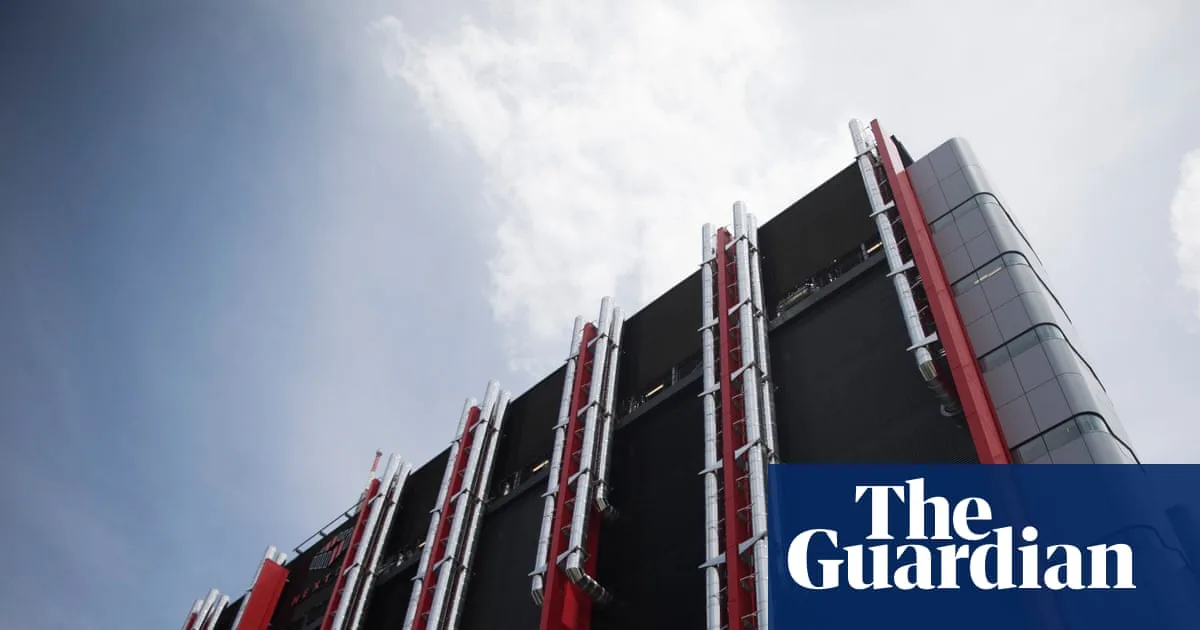
On Mamre Road in Sydney's outer western suburbs, plans are underway for a 'hyperscale' datacentre that would become one of the world's largest, consuming more power than the Tomago aluminium smelter. The 52-hectare site, if approved, will host six four-storey buildings, 936 cooling units and 852 diesel backup generators. This project is part of an estimated $155bn investment pipeline over the next decade, as Australia experiences a sudden and enormous datacentre boom amid the global artificial intelligence revolution.
The country now has about 160 operating datacentres, with another 90 proposed, according to the Climate Council. However, the boom has sparked debate over economic benefits versus environmental costs. Alex Hooper of Oxford Economics Australia notes the huge global appetite for investment but warns: 'There are huge opportunities but we need to be smart. The question is: how much?' Experts and policymakers are grappling with how much power and water Australia can affordably provide, and what the nation receives in return.
Datacentres currently account for 2.8% of electricity consumption on Australia's east coast, a figure expected to reach 7% by 2030 and above 10% by the mid-2030s, according to Hooper. The Climate Council warns that wholesale electricity prices could rise 20% by 2035 if additional renewable energy does not offset the demand. Water use for evaporative cooling and land requirements are also significant concerns, with most centres located near cities.

Despite operational jobs being limited—often hundreds compared to thousands during construction—some economists are optimistic. Beth Webster of Melbourne University says Australia can avoid pitfalls seen in the US, such as failing to require developers to deliver extra energy and water. Pat Bustamante of Westpac calls the boom 'absolutely' good for the economy, laying the foundation for productivity growth similar to the PC revolution but larger. 'Once this high-speed computing power is in place, that's where we expect to see that productivity boost,' he says.
Scepticism about the boom is partly rooted in broader community anxiety over AI. The debate continues over whether the datacentre wave will be a boon or a burden, with decisions hinging on sustainable energy and water management, and the ultimate contribution to Australia's economic growth.