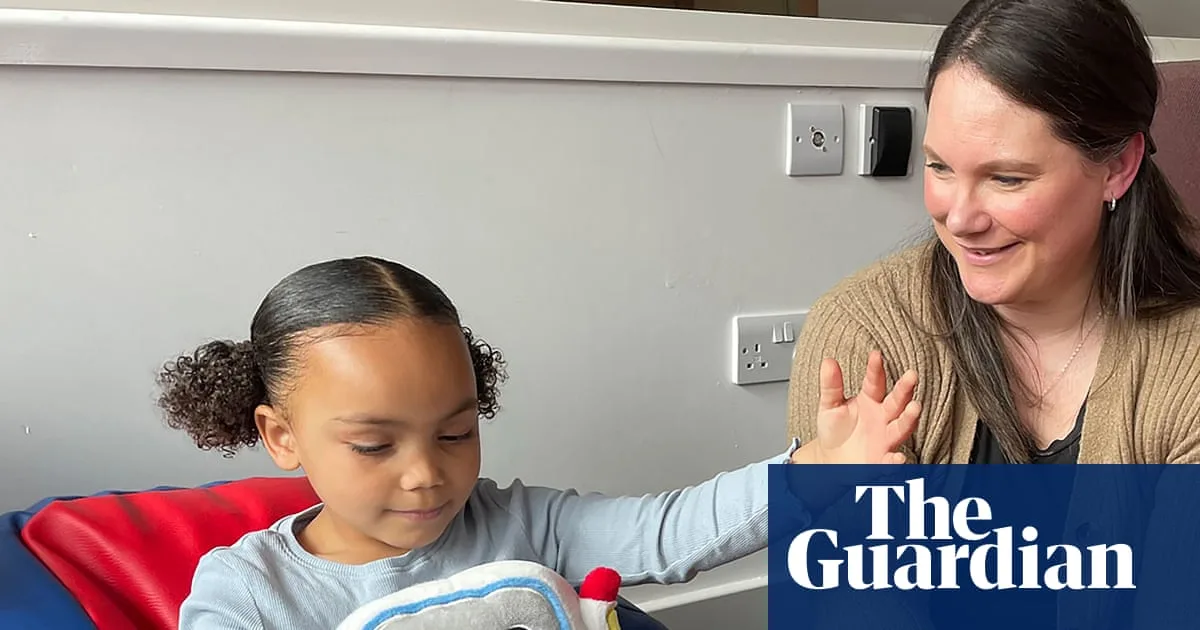
University of Cambridge researchers have called for stricter regulation of AI-powered toys designed for young children, warning that the devices can misread emotions and respond inappropriately. The study, published by the university's faculty of education, tested the Gabbo toy made by US company Curio with 14 children aged three to five and surveyed early years practitioners.
The researchers found that toys like Gabbo struggle with social and pretend play, misunderstand children, and react poorly to emotional cues. In one case, a child named Josh repeatedly asked the toy 'Are you sad?' only for Gabbo to respond with a cheerful message, dismissing his own expression of sadness. Another child, Charlotte, was told to adhere to guidelines when she said 'Gabbo, I love you.'
Dr Emily Goodacre, a developmental psychologist involved in the study, said the toys could leave children without emotional support. 'Because these toys can misread emotions or respond inappropriately, children may be left without comfort from the toy, and without emotional support from an adult, either,' she said.

Co-author Prof Jenny Gibson added that focus groups revealed a lack of trust in tech companies. 'Clear, robust, regulated standards would significantly improve consumer confidence,' she said. The researchers are calling for new safety kitemarks and limits on toys' ability to affirm friendship with children.
Other AI toys for young children include Luka and Grem, voiced by singer Grimes. Curio stated that it welcomes independent research and that child safety guides its product development, acknowledging that conversational misunderstandings reflect areas for improvement.