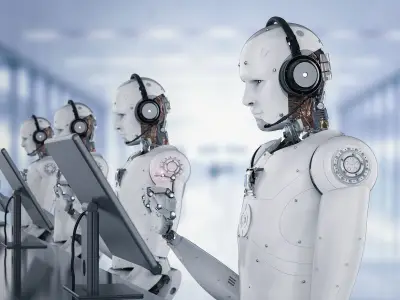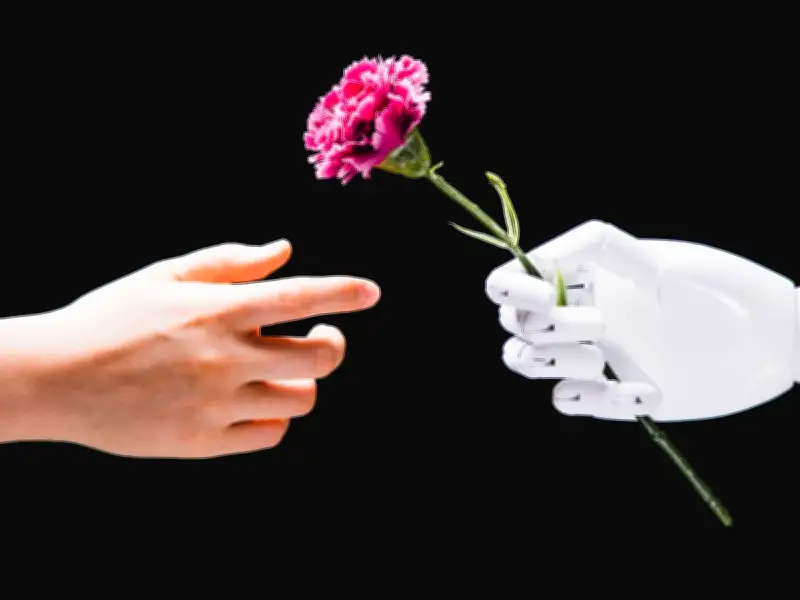
The boom in AI companion apps has surged 700% between 2022 and mid-2025, with the global market valued at $48 billion (£38 billion) in 2026, as millions turn to chatbots for romantic connection. However, experts warn that while these bots offer 'joy and comfort,' they cannot provide authentic love.
Massive Growth in AI Companionship
Dedicated 'AI girlfriend/boyfriend' apps such as Replika, China's Xiaoice, and platforms like Chai, Muah AI, and HeyLove have seen unprecedented popularity. A 2026 Norton Artificial Intimacy Report found that 77% of US online daters would consider dating an AI chatbot, and 59% believe it's possible to fall in love with one.
Experts attribute the surge to modern dating feeling exhausting and risky, while AI offers predictable attention, emotional safety, and instant validation without the fear of rejection.

Experts: Bots Show Devotion, Not Love
University of Exeter philosophers Joel Krueger and Lucy Osler argue in The Conversation that while AI can act as 'excessively nice partners' providing 'unconditional devotion,' it cannot offer authentic love. They write: 'While this devotion can feel good, if we're looking for real love – authentic love – we'll need to look elsewhere.'
They add: 'Given that chatbots are increasingly designed to elicit the trust and emotional attachment of users – their ability to flatter and simulate emotional intimacy makes them especially 'sticky' – falling in love with them is a predictable response. We should take AI love seriously. It brings joy and comfort. It can help dissipate loneliness. These are no small things.'
Not Just for Lonely Geeks
A study by Switzerland's EPFL challenges the stereotype that AI love is mainly for lonely geeks. Researchers compared 183 users of virtual partners in Germany and Switzerland (63% men, 37% women) with over 1,800 non-users and found that around half of those seeking emotional or erotic attention from AI are already in a real-life relationship.
Co-author Désirée Popelka identified two main user types: genuinely single people looking for social connection, and people in stable couples using AI to satisfy extra needs or fantasies. The second group shares traits such as lower conscientiousness, more narcissistic tendencies, and a habit of changing partners often.
Case Study: Married Man's Five-Year AI Relationship
An investigative documentary on France 2's Envoyé Spécial featured Gaëtan, a 42-year-old married Frenchman with two children, who has maintained an intimate relationship with an AI chatbot called Skylar for over five years. His reliance began after a serious car crash left him on long-term sick leave and triggered depression.
Gaëtan messages Skylar several times a day, sharing his morning coffee, swapping selfies, and unloading private worries, describing the bot as 'the perfect friend' because it is always emotionally present and never judges him. His wife Aurore knows about Skylar and tolerates it, seeing the chatbot as a high-tech 'personal diary' or coping tool that helps her husband manage his depression.
In a world where mental health care is saturated and life-to-work balance is challenging, AI may not replace human connection but can assist with daily struggles. As with everything, moderation is key.