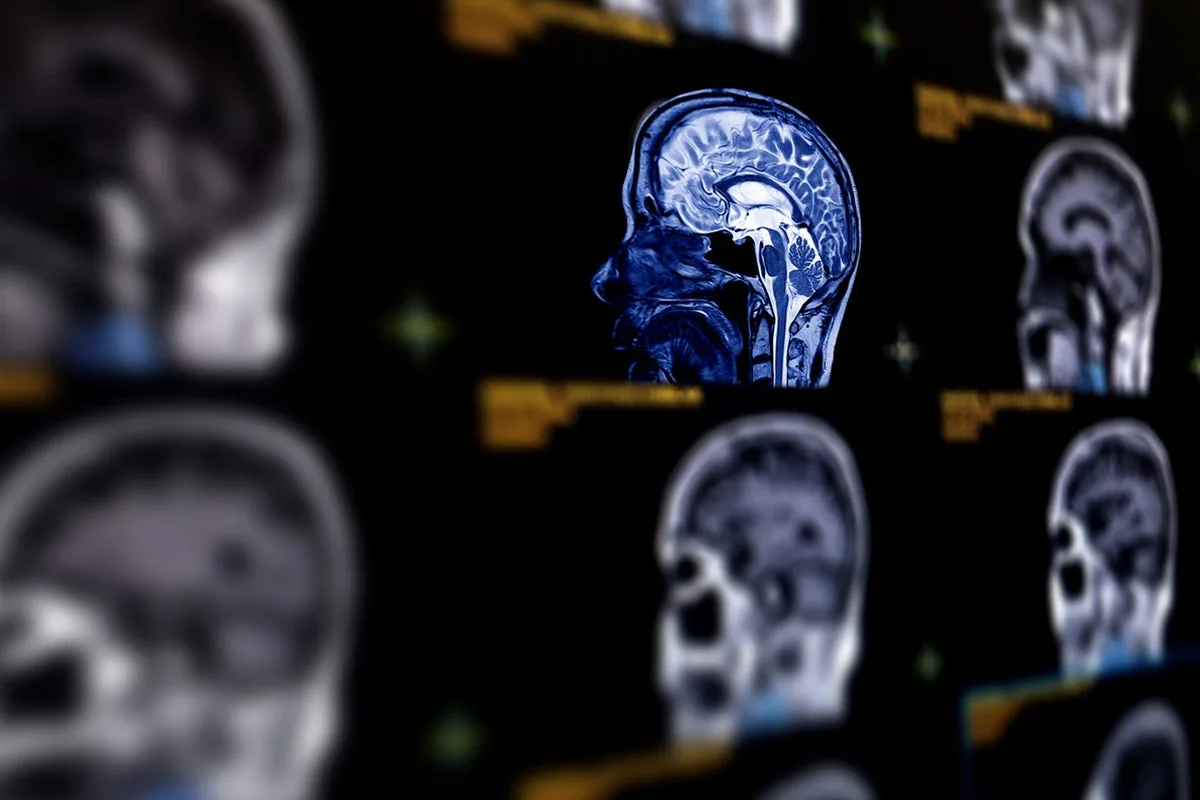
Researchers have developed an artificial intelligence system that can predict Alzheimer’s disease with nearly 93 percent accuracy by analysing brain scans. The study, conducted at the Worcester Polytechnic Institute in Massachusetts, used more than 800 MRI scans to train the AI to detect subtle anatomical changes associated with the early stages of dementia.
The algorithm identified brain volume loss as one of the top predictive factors, particularly in the hippocampus, amygdala and entorhinal cortex. These regions are involved in memory, fear processing and sense of time. The findings suggest that such changes occur in both men and women aged 69 to 76, though the patterns of shrinkage differ between sexes.
In women, volume loss was observed in the left middle temporal cortex, which supports language and visual perception, while in men it was mainly seen in the right entorhinal cortex. The researchers believe this could be linked to changes in sex hormones, such as oestrogen and testosterone.

‘Early diagnosis of Alzheimer’s disease can be difficult because symptoms can be mistaken for normal aging,’ said Benjamin Nephew, assistant research professor at the institute. ‘We found that machine-learning technologies can analyse large amounts of data from scans to identify subtle changes and accurately predict Alzheimer’s disease and related cognitive states.’
The study included 344 participants aged 69 to 84, with 281 scans showing normal mental function, 332 indicating mild cognitive impairment and 202 showing Alzheimer’s. By focusing on 95 distinct brain regions, the AI was able to predict patients’ health status with high accuracy. More than 7.2 million Americans currently live with Alzheimer’s, according to the Alzheimer’s Association.