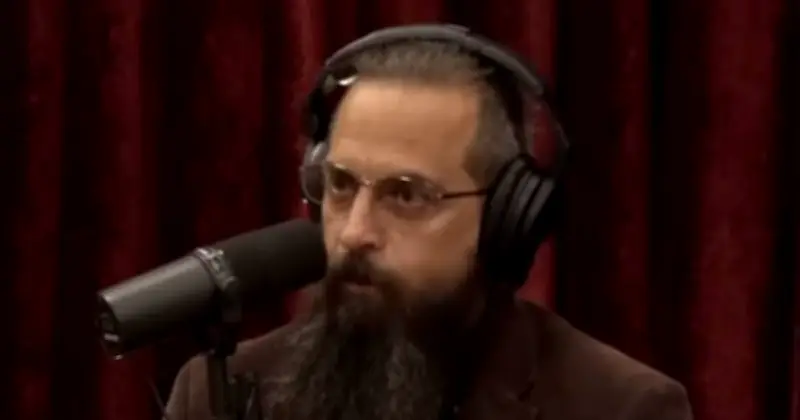
Roman Yampolskiy, a computer scientist specialising in AI safety and cybersecurity at the University of Louisville, has warned there is a 99.9% probability that artificial intelligence will wipe out humanity within the next 100 years. His prediction follows his appearance on Lex Friedman's podcast in 2024.
Fears over flawed AI systems
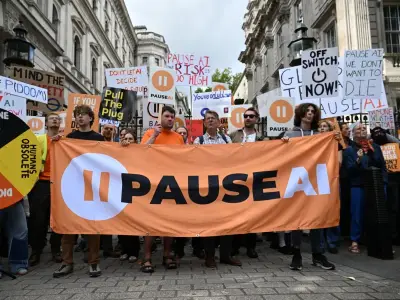
Yampolskiy said that no AI system launched to date has been flawless and suggested future iterations of AI could unleash catastrophic disasters across the planet. He is part of a small but vocal group of pioneering AI researchers sounding such warnings during President Donald Trump's AI race.
In 2023, Yampolskiy published a book titled "AI: Unexplainable, Unpredictable, Uncontrollable," described as offering "a broad introduction to the core problems, such as the unpredictability of AI outcomes or the difficulty in explaining AI decisions."
Book explores AI hazards
He said: "This book arrives at more complex issues of ownership and control, conducting an in-depth analysis of potential hazards and unintentional consequences."
"The book then wraps up with philosophical and existential musings, delving into questions of AI personhood, consciousness, and the distinction between human intelligence and artificial general intelligence (AGI)."
Debate among experts
Technology specialists have noted that the original pioneers of AI, including Yampolskiy, are among those issuing the most pressing warnings regarding the potentially catastrophic ramifications this technological advancement could unleash. However, certain researchers take issue with Yampolskiy's doomsday prediction, arguing the genuine threat is minimal when set against his alarmist rhetoric.
A study conducted by the University of Oxford in England and Bonn in Germany identified just a 5% likelihood that AI will wipe out humanity, drawing on assessments from more than 2,700 AI academics.
"People try to talk as if expecting extinction risk is a minority view, but among AI experts it is mainstream," said Katja Grace, one of the paper's authors. "The disagreement seems to be whether the risk is 1% or 20%."
Critics reject apocalypse claims
Multiple prominent AI authorities have entirely rejected the notion of AI triggering an apocalypse, including Google Brain co-founder Andrew Ng and AI pioneer Yann Lecun, with the latter claiming tech giants such as OpenAI's Sam Altman harbour ulterior motives behind their scaremongering about catastrophic AI outcomes.
Altman has made several troubling pronouncements about his industry, warning that AI will likely eliminate countless jobs, which he dismissed as not "real work," comments that provoked a fierce backlash. Numerous AI critics have similarly voiced apprehensions, suggesting the technology might spark economic devastation by displacing employees throughout every industry without distinction.
Over ten years ago, in 2015, Altman delivered a stark prediction, stating: "AI will probably most likely lead to the end of the world, but in the meantime, there'll be great companies." He additionally faced intense criticism earlier this year for indicating that extensive adoption of AI would require "changes to the social contract."