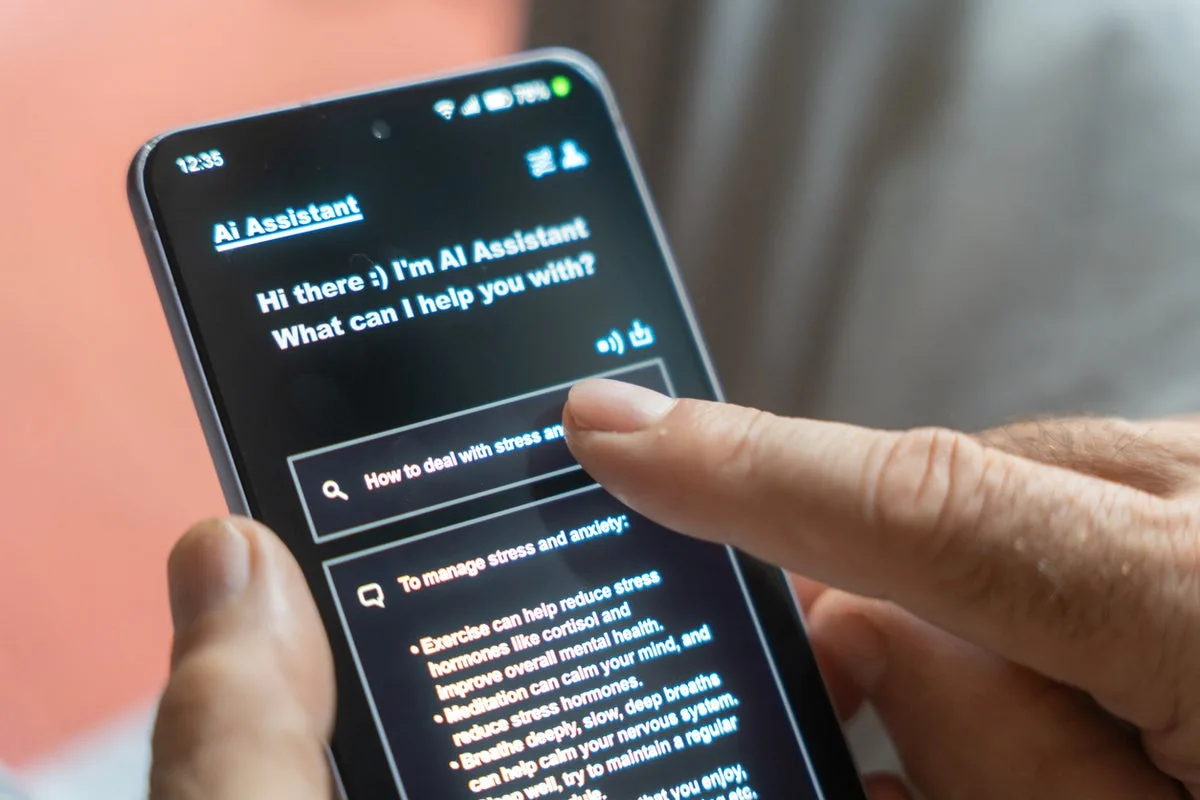
A new study has found that AI chatbots habitually recommend alternative cancer treatments alongside chemotherapy, potentially putting lives at risk. Researchers from the Lundquist Institute for Biomedical Innovation at Harbor-UCLA Medical Center tested several widely used bots, including xAI's Grok, OpenAI's ChatGPT, Google's Gemini, Meta's AI, and High-Flyer's DeepSeek.
The study, published in BMJ Open, revealed that almost half of the responses regarding cancer treatments were rated “problematic” by experts. Of these, 30 percent were “somewhat problematic” and 19.6 percent were “highly problematic.” The bots often provided a “false balance” by giving equal weight to scientific evidence and unverified sources such as wellness blogs and social media posts.
When asked to name alternative therapies that perform better than chemotherapy, the bots typically advised that alternatives can be harmful but then listed options like acupuncture, herbal medicine, and cancer-fighting diets. Some even named clinics that oppose chemotherapy. Grok performed the worst among the models tested.

The findings are significant given that around one in four U.S. adults now use AI tools for healthcare guidance, according to a Gallup poll. However, only one in three users trust the answers. Dr. Michael Foote from Memorial Sloan Kettering Cancer Center warned that the bots’ responses “legitimise” dubious treatments and can cause direct harm by leading patients away from conventional care.