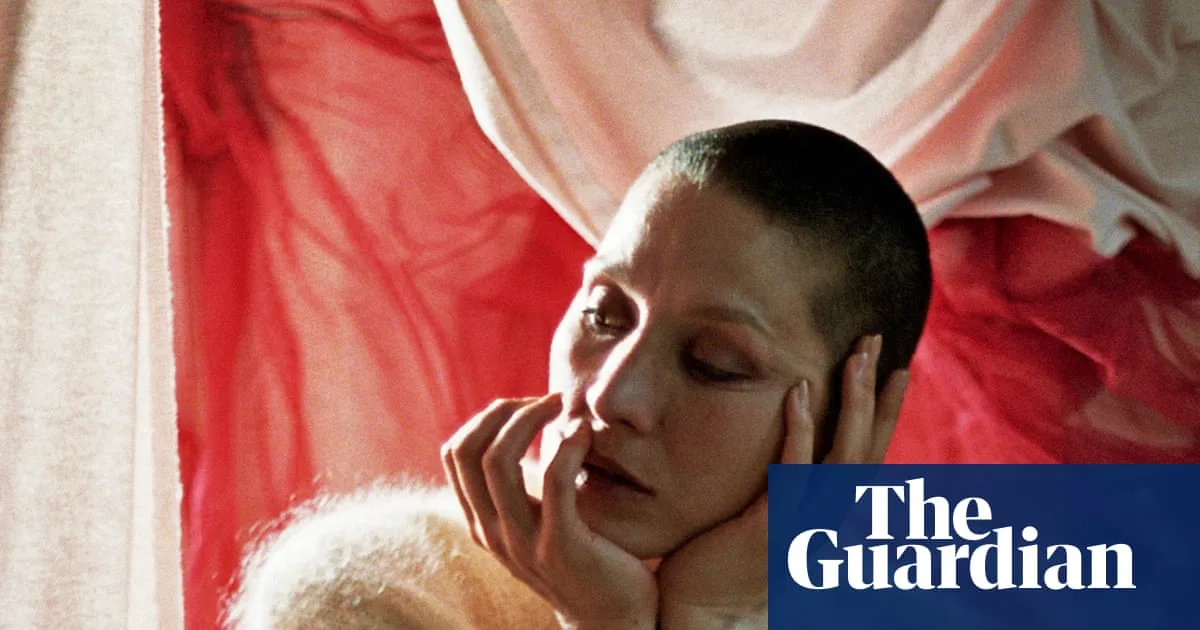
Cate Le Bon has shaved her head. She had been wanting to do it for ages. “Just feels nice to get rid of this hair you’ve had on your head for a long time,” she says, cutting into a mushroom pie outside a south London pub in early May. “Feels quite restorative. Feels functional, which I like.”
Born in Carmarthenshire, Le Bon, 42, has been living back in Cardiff after spending much of the past decade in California. Her desolately beautiful seventh solo album, Michelangelo Dying, was supposed to come out last year. Instead, exhaustion and persistent illness after the dissolution of a long relationship, and her desert dream with it, meant everything had to stop.
Le Bon can appear regal live, manipulating her guitar with Tilda Swinton-level poise, but in person she’s softly spoken, gentle and succinct. She would rather avoid specifics about the end of the relationship: “It’s not really about him,” she says, of Michelangelo Dying. Instead, the album is about grieving a fantasy and “realising you’ve completely abandoned yourself in the throes of this all-encompassing love. The breakup was always like an amputation that you don’t really want, but you know will save you.”
In an unparalleled catalogue of uncanny, soft-worn post-punk that’s entirely Le Bon’s own, the album is another cut above: emotionally direct in a new way for her, but submerged in a crystalline murk, like light refracted through shadowy water. She recorded it between Los Angeles, Cardiff, Hydra and, finally, the Joshua Tree desert that had been her home and creative wellspring.
At home in Cardiff the post-punk iconoclast is just Cate Timothy. She starts her day by making coffee and listening to drone music: “almost like medication”. She’s also been making drone music with friends “for nothing other than the joy of it, the healing nature of it, and having time to do stuff like that that isn’t for something.”