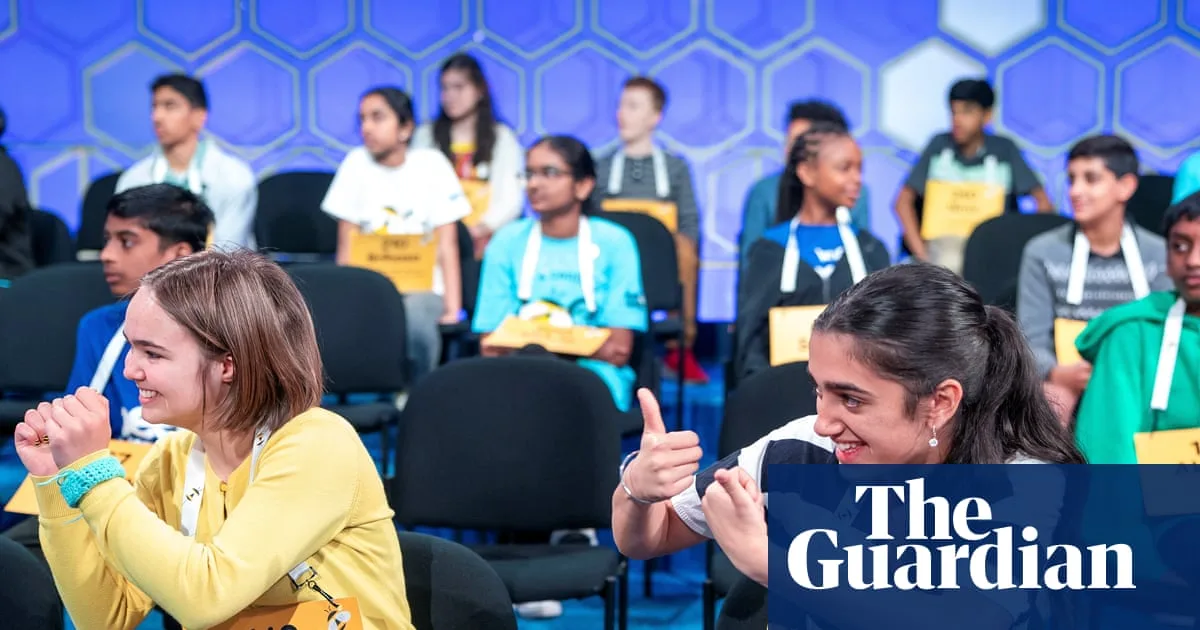
As the Scripps National Spelling Bee approaches, the focus is once again on the young competitors who take centre stage. Yet behind every champion stands a network of family, friends, teachers and coaches who provide essential support. In an era marked by individualism and technological alienation, the spelling bee offers a powerful reminder of the beauty of community.
The term 'spelling bee' itself reflects this communal spirit. According to Merriam-Webster, the word 'bee' may derive from the English dialect word 'been', meaning 'voluntary help given by neighbours'. Alternatively, if it alludes to the insect, bees are famously social creatures. This cooperative ethos is embedded in every aspect of the competition.
Organising a spelling bee is a monumental task requiring a dedicated team. From publicising the event to composing word lists, coordinating logistics and adjudicating appeals, it is committee work at its finest. The Scripps National Spelling Bee, for instance, employs a full-time staff year-round, supplemented by a tech crew, college volunteers and a revered panel of pronouncers and judges.
On an individual level, successful spellers rely on coaches, teachers and family members who guide them through their journey. As a professional tutor, I witness firsthand how mentorship and human connection drive achievement. In group classes, spellers learn from one another, building friendships that enrich the experience.
The spelling bee is more than a competition; it is a testament to the power of collaboration. In a world that often celebrates solitary genius, the bee reminds us that our greatest accomplishments are rarely achieved alone.