As a boy, dancing felt like freedom. Then came a question that changed everything: 'Why are you so damn gay?' This question, asked by a stepmother, became a sentence that taught a young boy that joy had to pass inspection before it could be expressed. Years later, washing someone else's blood off his hands after a fight, he realised he was trying to scrub away any lingering doubt about his masculinity.
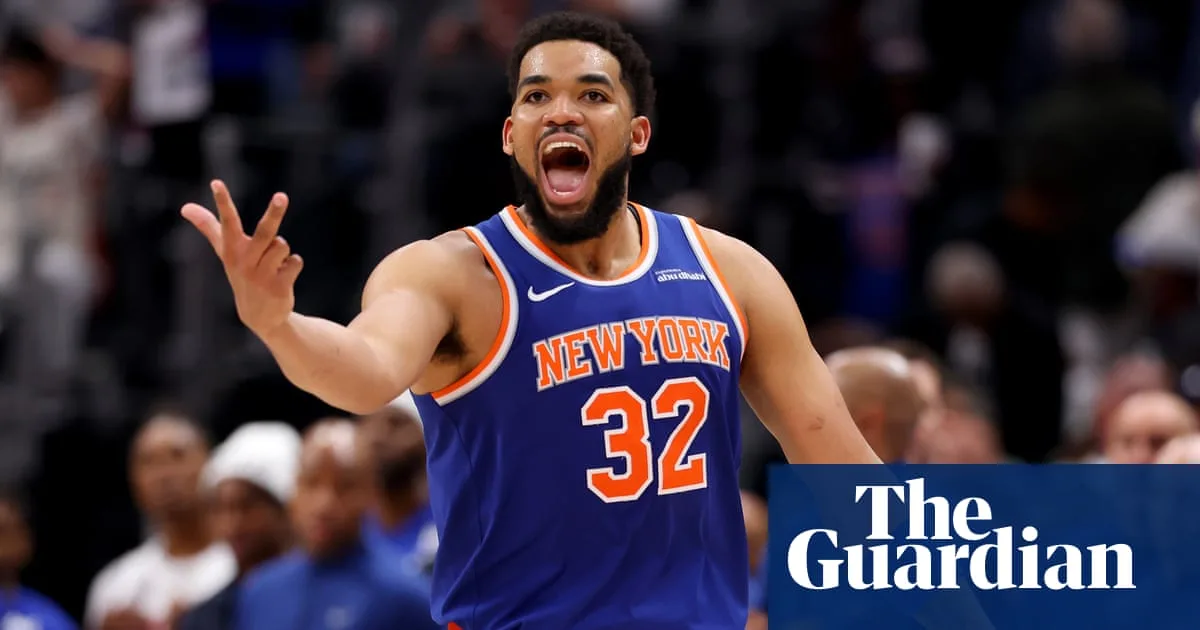
This essay explores what happens when boys who move freely are taught to fear their own rhythm, and what it means when grown men like NBA star Karl-Anthony Towns are mocked for keeping theirs. Since moving from Minnesota to New York, expectations for the former No 1 draft pick have increased. In New York, scrutiny moves faster than any headline, amplified by the virality of social media.
Towns is discovering what happens when softness is punished, when queerness is projected, and when public figures become unwilling avatars in culture wars over masculinity. The term 'zesty', a softened descendant of homophobic slang, has become Towns' shadow, trailing him through every three-point play, podcast outtake and postgame moment.
In Hilton Als's 'The Women', he recalls being called an 'auntie man' – a Barbadian phrase for a queer man. For Als, the term was both burden and lens, a way to understand how femininity in male bodies disturbs cultural norms. Towns, in his gestures and tones, touches that nerve – not by coming out, but by refusing to contort himself into the rigid, humourless frame of what a man in sports is supposed to be.
Towns is far from alone. Figures like Tyler, the Creator, Russell Westbrook and Odell Beckham Jr have also been queer-coded and mocked online – not for coming out, but for expressing aesthetic freedom that unsettles traditional expectations of Black masculinity. Homophobia today is not what it was in the 1990s, but in sports, John Amaechi and Jason Collins remain punchlines, and Dwight Howard was publicly dissected for his queer preferences.