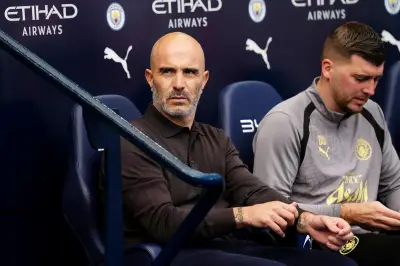
In a significant move for German football, VfL Wolfsburg has announced the appointment of Dieter Hecking as their new head coach, effective immediately. This marks a notable return for Hecking to the Bundesliga club, where he previously served from 2012 to 2016, leading the team to notable successes including a DFB-Pokal victory and a second-place finish in the league.
Hecking's Previous Tenure and Achievements
During his earlier spell at Wolfsburg, Hecking established himself as a highly respected figure in German football. Under his guidance, the club secured the DFB-Pokal in the 2014-2015 season, a historic achievement that cemented their status in the top tier of European competition. Additionally, Wolfsburg finished as runners-up in the Bundesliga during the 2014-2015 campaign, showcasing Hecking's tactical acumen and ability to compete with elite teams.
Recent Coaching Career and Return to Wolfsburg
Since leaving Wolfsburg, Hecking has had varied experiences, including managerial roles at other clubs such as Borussia Mönchengladbach and Hannover 96. His return to Wolfsburg comes at a crucial time, as the club seeks to rebuild and regain its competitive edge in the Bundesliga. The appointment is seen as a strategic move by Wolfsburg's management to leverage Hecking's familiarity with the club's culture and his proven track record of success.
Hecking expressed enthusiasm about his return, stating that he is eager to work with the current squad and implement his vision for the team's future. He emphasized the importance of stability and long-term planning, aiming to develop young talents while achieving immediate results on the pitch.
Implications for Wolfsburg and the Bundesliga
This coaching change is expected to have a significant impact on Wolfsburg's performance in the upcoming Bundesliga season. With Hecking at the helm, the club hopes to improve its league standing and make a strong push for European qualification. His experience and tactical knowledge are viewed as key assets in navigating the challenges of top-flight football.
Moreover, Hecking's return adds an intriguing narrative to the Bundesliga, as fans and analysts will be watching closely to see if he can replicate his past successes. The move also highlights Wolfsburg's commitment to investing in proven leadership to drive the club forward.
In summary, Dieter Hecking's reappointment as head coach of VfL Wolfsburg represents a pivotal moment for both the club and the Bundesliga. His previous achievements and deep connection to Wolfsburg position him as an ideal candidate to lead the team through its next chapter, with high expectations for a resurgence in form and competitiveness.