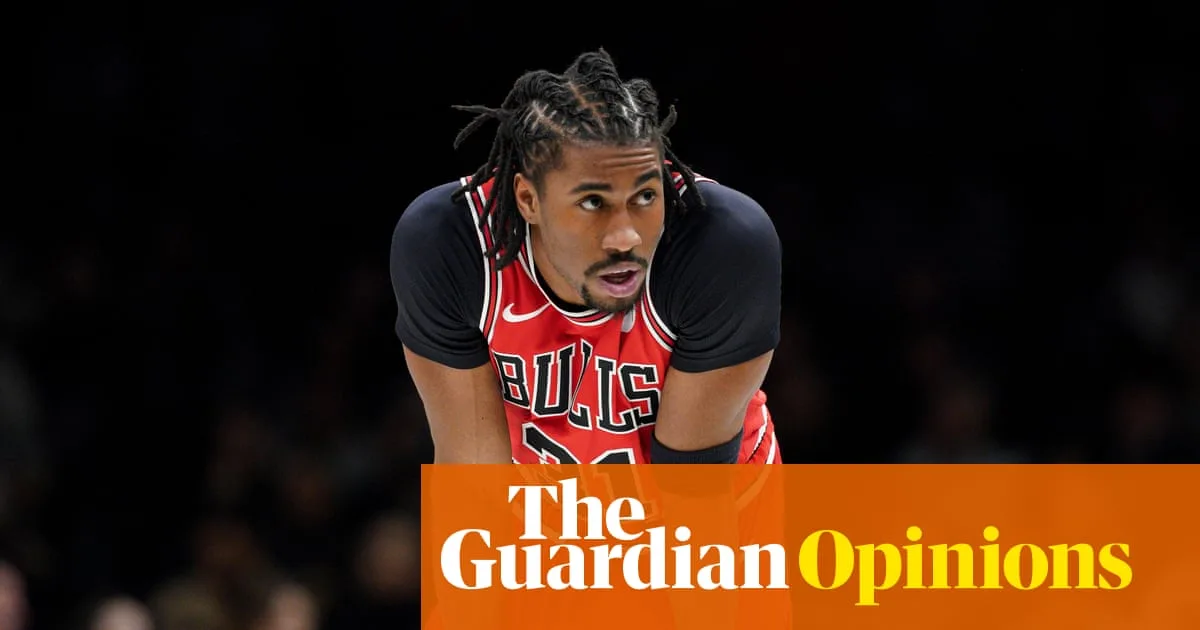
The Chicago Bulls waived Jaden Ivey on Monday after he made a series of unprompted anti-LGBTQ and religiously charged comments on social media. The move was framed as a response to “conduct detrimental to the team,” but former NFL player RK Russell argues that the decision reveals more about the league’s priorities than its commitment to inclusion.
Russell, the NFL’s first openly bisexual player, notes that Ivey’s comments were not unusual for a locker room environment. “If he had expressed his ideas on Pride Month in the average locker room many of his teammates would agree with him,” Russell writes. The difference was that Ivey made his remarks publicly, breaking an unspoken rule that such views remain private.
Russell also points to Ivey’s lack of star power as a key factor in his swift dismissal. “When, like Ivey, you’ve had a short career riddled with injury and unremarkable performances, teams won’t protect you; they’ll burn you as a liability,” he says. By contrast, superstars like Anthony Edwards, Rajon Rondo, and Kobe Bryant faced only fines or apologies for similar language.
The NBA has been publicly supportive of the LGBTQ+ community, but Russell argues that business decisions are rarely based on moral values alone. “The league does not police its players’ beliefs, only how their image affects the NBA’s bottom line,” he writes. Ivey’s release, therefore, is not a victory for inclusion but a lesson in athlete expendability.