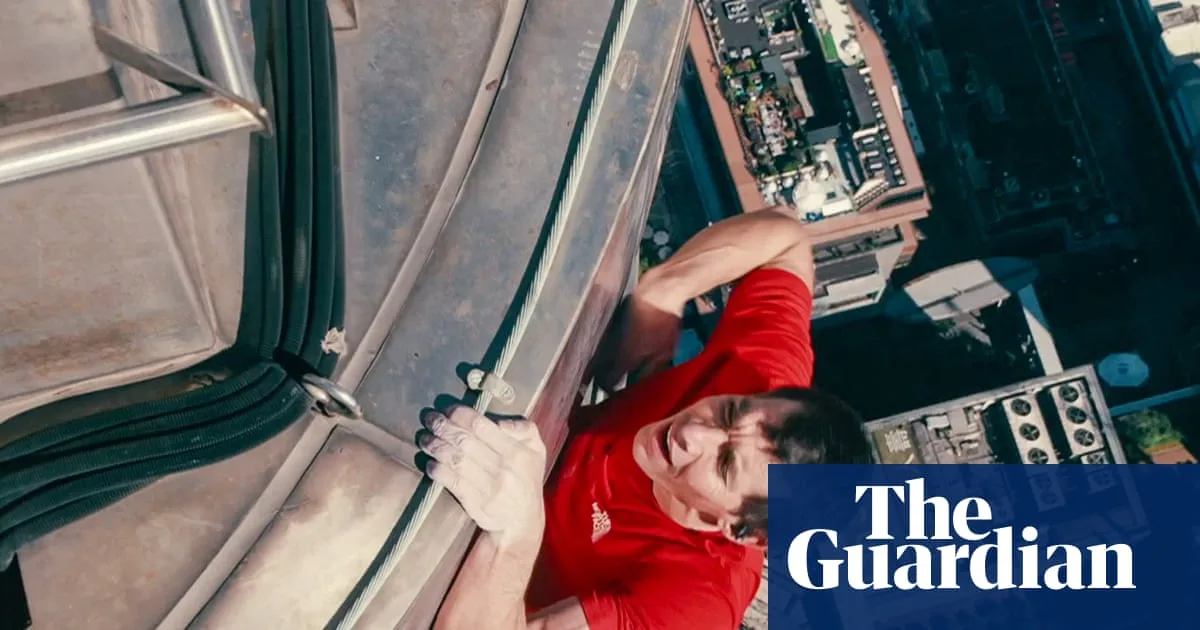
Netflix's Skyscraper Live, featuring Alex Honnold's free solo ascent of Taipei 101, has been described as the most stressful TV experience on record. The 508-metre climb without ropes was a breathtaking achievement, but it raised uncomfortable questions about entertainment predicated on potential death.
Unlike Honnold's Oscar-winning documentary Free Solo, which was edited for maximum drama, Skyscraper Live was broadcast live, leaving no room for retroactive editing in the event of an accident. Viewers endured an hour and a half of repetitive movements, with moments of sheer panic punctuating long periods of boredom.
The climb itself was divided into three stages, with increasing difficulty. At one point, Honnold had to climb outward at a 45-degree angle on the spire, a moment that caused even repeat viewers to break into a sweat. The event's success has sparked debate about whether such high-risk spectacles should become a staple of live television.
Critics argue that the appeal of Skyscraper Live lay in the possibility of a fatal accident, comparing it to Formula One crashes or Felix Baumgartner's 2012 space jump. While Netflix may not wish to be associated with such macabre entertainment, the commercial success of the event could lead to more live death-risk programming, turning television into a modern-day freak show.