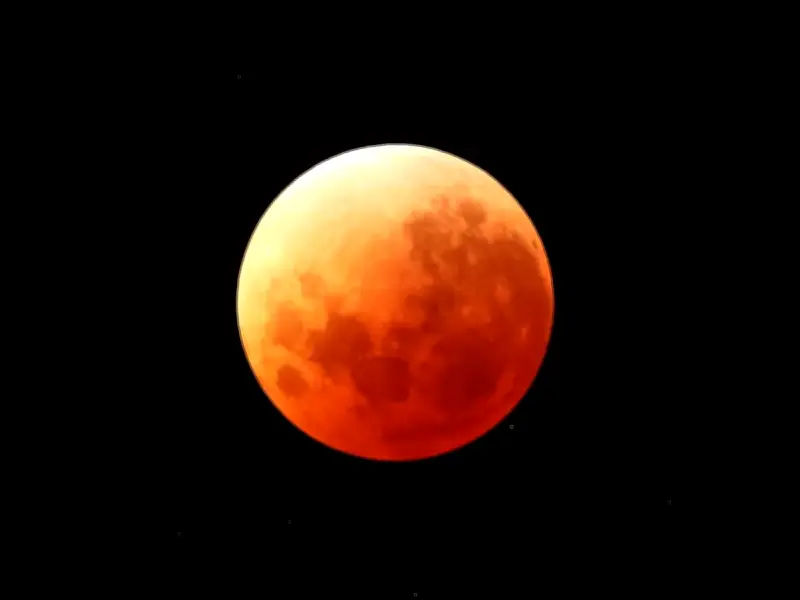
A partial lunar eclipse, also known as a 'Blood Moon', will be visible in UK skies on August 28, 2026. The event comes two weeks after a deep partial solar eclipse was seen by millions across the UK, marking the biggest solar eclipse in 27 years, with more than 90 per cent of the Sun obscured by the Moon.
Why Eclipses Come in Pairs
These back-to-back eclipses are no coincidence. Eclipses often come in pairs because of how the Moon's orbit is tilted toward Earth. An eclipse only happens when the Moon is in the right place in its orbit at the right time. When this happens, it also means the Moon and Earth will align at the other end of orbit during the same lunar cycle, meaning solar and lunar eclipses typically come in pairs.
Timings for the UK
The partial lunar eclipse will only be visible to early risers. The event is set to begin at around 2.23am on August 28, according to Royal Museums Greenwich, although exact timings will differ slightly depending on where you are in the UK. The partial phase will take place at 3.33am, before the maximum eclipse – with more than 90 per cent of the Moon in the Earth's shadow – at 5.12am. At this stage, the 'Blood Moon' should appear to glow a rust-orange-red due to the way sunlight is reflected through the Earth's atmosphere. The eclipse will end at about 6.51am, but the Moon will have set below the horizon before then.

How to See the 'Blood Moon'
The eclipse will take place just before sunrise, with the Moon low in the western sky. Those hoping to catch a glimpse will need a clear view of the horizon, away from tall trees and buildings, or from a hill with a clear view of the sky. It is also crucial that skies are clear, so be sure to check your local weather forecast in the days leading up to the lunar eclipse.