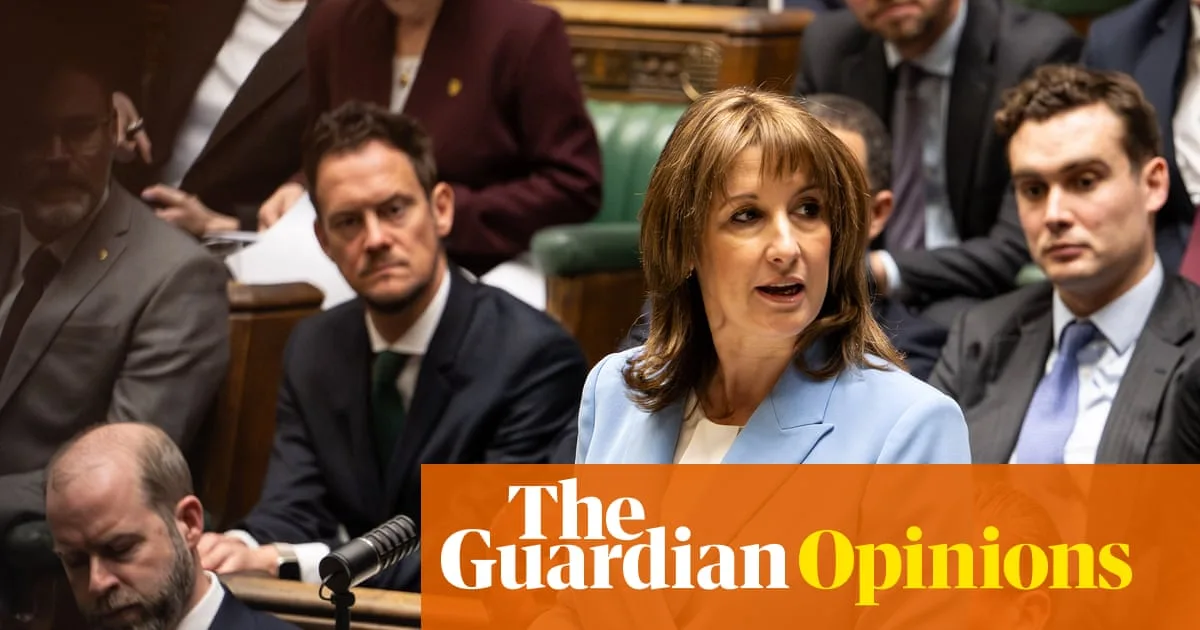
Reeves' Spring Statement: Stability Must Not Sacrifice Living Standards
Reeves' Spring Statement: Stability vs Living Standards

Reeves' Spring Statement Sparks Debate on Economic Priorities

Chancellor Rachel Reeves' recent Spring Statement has ignited a fierce debate in Westminster, with critics arguing that her focus on economic stability risks sacrificing the living standards of ordinary Britons. The statement, delivered amid ongoing economic challenges, outlined measures aimed at bolstering fiscal resilience, but many observers question whether this approach adequately addresses the immediate needs of households struggling with rising costs.

Balancing Stability and Welfare

Reeves emphasised the importance of maintaining a stable economic foundation to support long-term growth, citing global uncertainties and domestic pressures. However, opposition voices and some economists warn that an overemphasis on stability could lead to austerity-like policies, undermining public services and disposable incomes. The Chancellor defended her stance, stating that a robust economy is essential for sustainable improvements in living standards, but critics counter that this logic may leave vulnerable populations behind in the short term.

Public and Political Reactions

The response to the Spring Statement has been mixed, with supporters praising Reeves for her prudent fiscal management, while detractors highlight concerns about:

  • Inflationary pressures: Despite stability efforts, inflation remains a key issue affecting household budgets.
  • Public sector funding: Fears that stability measures might result in cuts to essential services like healthcare and education.
  • Income inequality: Critics argue the statement lacks targeted support for low-income families, potentially widening economic disparities.

Political analysts note that this debate reflects broader tensions within UK policymaking, where balancing immediate relief with long-term planning is increasingly contentious.

Economic Context and Future Implications

The Spring Statement comes at a time when the UK economy faces multiple headwinds, including post-Brexit adjustments and global market volatility. Reeves' approach prioritises regulatory frameworks and investment in key sectors to foster stability, but some experts suggest that more direct interventions, such as tax reforms or social spending increases, are needed to protect living standards. As the government moves forward, the effectiveness of this strategy will be closely monitored, with potential impacts on voter sentiment and upcoming electoral dynamics.

In summary, while Rachel Reeves' Spring Statement aims to secure economic stability, it raises critical questions about the trade-offs between fiscal prudence and social welfare. The ongoing discourse underscores the need for policies that not only stabilise the economy but also enhance the quality of life for all citizens, ensuring that stability does not come at the expense of living standards.