
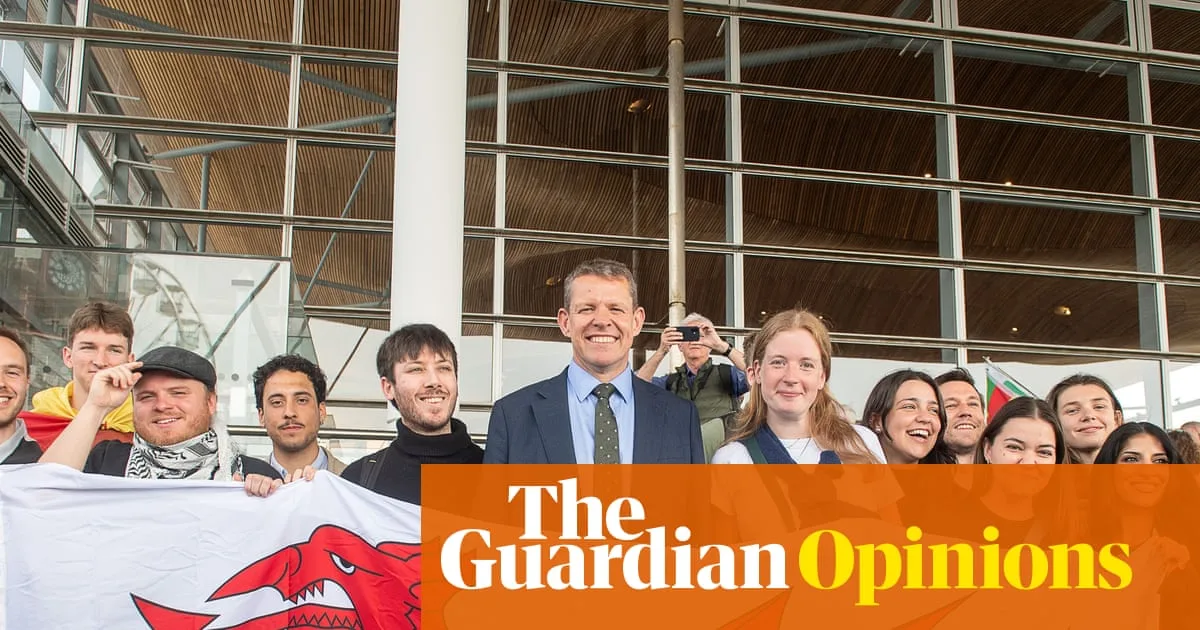
Plaid Cymru and its leader, Rhun ap Iorwerth, made political history this month by winning the Senedd. For the first time, Wales now has a progressive majority not dependent on Labour. Polls had put Plaid and Reform UK neck and neck, but in the end, Reform came second, to the relief of many Welsh voters.
Unlike Plaid, Reform UK had no story to tell about what it means to be Welsh. The party seemed to think it could transpose its English ethno-nationalist tactics to Wales, but voters rejected that approach. An incident during the Brexit referendum, where a Muslim woman speaking Welsh was told to 'speak English', highlighted the clash of identities. In the May elections, voters made a clear statement against such exclusionary politics.
Plaid Cymru, despite being a nationalist party, now represents a diverse and inclusive Wales. You do not have to be a Welsh speaker to be part of the project; Plaid won even in areas with historically low numbers of Welsh speakers, such as Ebbw Vale. This marks a shift from the party's past, when it was seen as catering to white native Welsh speakers.
Former leader Leanne Wood, a socialist who learned Welsh as an adult, championed a civic-based project for everyone living in Wales. She recognised that being Welsh is not about perfect pronunciation or having two white Welsh parents. This inclusive vision has helped Plaid fend off the rise of right-wing populism.
Wales now has a story of national identity that embraces diversity, with many citizens exposed to the Welsh language as part of daily life. The drive to encourage more learners is playing a role in the fight against Reform's more classic, triumphalist nationalism.




