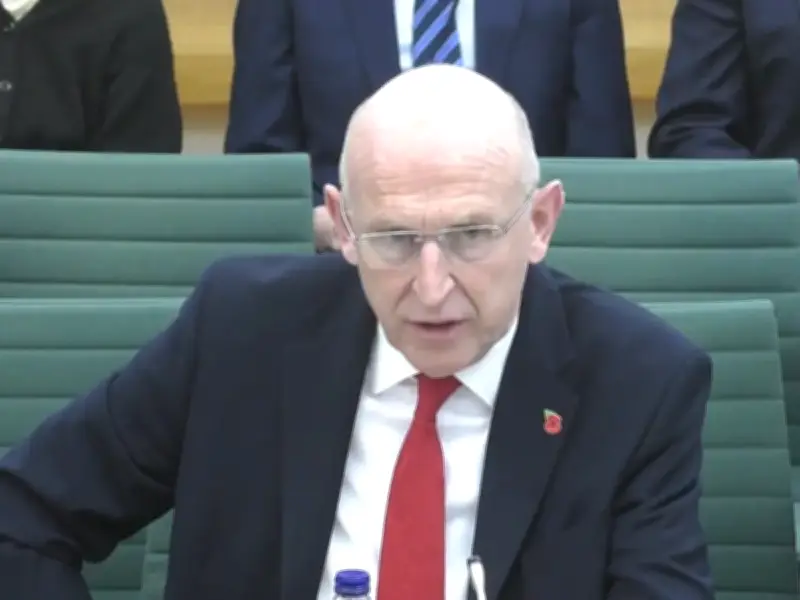
Chancellor John Healey has defended the frozen income tax thresholds during a Treasury Committee hearing, as a parliamentary petition calling for the personal allowance to rise from £12,570 to £20,000 gains momentum.
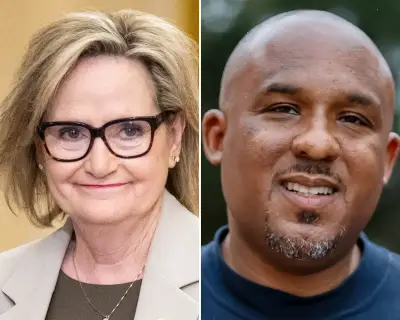
The petition, launched by Wade Reid, has surged past 41,000 signatures over the past week. That figure is enough to trigger an official Treasury response, and should it reach 100,000 signatures, it will be considered for a parliamentary debate. There are just 24 hours remaining for the petition to reach that threshold.
Chancellor questioned over threshold freeze
At the Treasury Committee this week, Liberal Democrat MP Bobby Dean challenged the Chancellor, noting that the Office for Budget Responsibility had described the freeze as having the "biggest impact" on disposable income.
Mr Dean said: "The OBR noted that the freeze on tax thresholds is having the biggest impact on people's disposable income and therefore on their living standards. You said that you did not want to raise taxes, but over the course of this Parliament that threshold freeze is the equivalent of putting about 2% on to income tax."
He added: "If you were to take the decision to raise income tax by 2%, you would be expected to explain that at the Dispatch Box, but freezing the thresholds was not mentioned at all in your Budget speech. Do you think it is fair on the public for them to see an effective tax rise without it being explained or justified?"
Mr Healey responded: "The decision on thresholds had already been taken; it was not a fresh decision for me for this Budget. I wanted to reject any arguments for an across-the-board increase in taxes, which I did."
He added: "The second thing I wanted to do was to make sure that, as a governing party, we could respect and follow the commitments that people voted for us on at the election: that we would not raise the levels of income tax, national insurance or VAT."
Impact on taxpayers
When asked whether he accepted the OBR's analysis that the freeze is one of the primary drags on living standards, the Chancellor said: "I accept that the freeze is there in the numbers: the contribution it makes to the finances, and, in the analysis, the impact that it has on people's incomes. I am very conscious of that. It is also there in the numbers just how expensive it would be to change it."
The petition states: "The personal allowance has been frozen while living costs have risen, meaning workers pay more tax in real terms. Increasing it to £20,000 would put more money into millions of workers' pockets, helping with rising bills and supporting low and middle earners."
According to the latest HMRC figures, there are 31.4 million basic-rate taxpayers nationwide, marking a 15% increase in the number of people paying income tax at 20% since tax bands were frozen at 2021 levels.
Around 7.7 million people are expected to pay the higher rate this year, an increase of one million compared to two years ago. A further 1.3 million individuals are projected to pay the 45% additional rate, substantially more than the 263,000 people who paid it in 2010-11 when it was initially introduced.
Had the threshold risen in line with inflation, it would stand at approximately £16,072 next year and £17,380 by 2029-30, according to research by AJ Bell. The investment platform noted that raising the personal allowance to £16,000 would come at a cost of roughly £35bn.