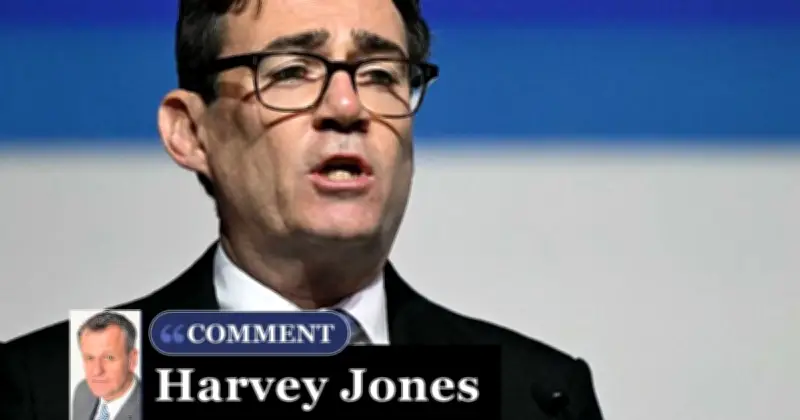
Prime Minister Andy Burnham has agreed a draft deal with the EU to remove post-Brexit checks on food and agricultural exports, a move critics say reverses Brexit by stealth and will cost UK taxpayers an estimated £1.4 billion a year.
The deal, due to be sealed in Brussels on November 20, also includes accepting freedom of movement for young people from the EU and offering European students low-cost tuition fees, according to a report in the Daily Express.
What the deal includes
The draft agreement would eliminate checks on food and agricultural exports, which Burnham has described as a win-win. However, the concessions extend beyond trade, with provisions for youth mobility and reduced tuition fees for EU students.
Critics point out that more than 1 million young people in the UK cannot find work, while the deal would grant EU youth freedom of movement. The UK would also make regular financial contributions to EU coffers in return for market access.
Cabinet divisions and mandate concerns
Burnham's own Cabinet is reportedly split, with senior figures including Chancellor John Healey, Home Secretary Shabana Mahmood, and Culture Secretary Lisa Nandy expressing severe doubts about the deal.
The Prime Minister's mandate is limited to 25,000 voters in the Makerfield by-election, where he pledged not to re-run Brexit arguments. Labour's 2024 manifesto explicitly ruled out returning to the single market, customs union, or freedom of movement.
Financial and regulatory impact
The proposed EU cohesion contribution is estimated at £1.4 billion a year, but the final figure could be higher. Joining the customs union would require the UK to apply the same external tariffs as the EU, restricting its ability to negotiate independent trade deals.
Dynamic alignment or rejoining the single market could oblige the UK to follow large chunks of EU law without a vote on how those rules are made. This could also undermine the City of London by limiting its ability to regulate quickly.
Broader implications
Critics argue the deal is a step towards the broader goal of rejoining the EU, which would not include the UK's previous opt-outs or the £5 billion budget rebate. The move has reopened the Brexit debate, with concerns about its impact on the economy, public services, and the cost of living.
If the UK were to rejoin the EU, Brussels has made clear it would not restore the previous opt-outs or budget rebate, meaning taxpayers would pay more without a say in the matter.