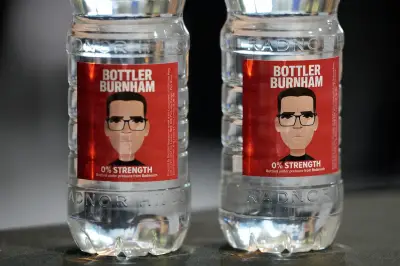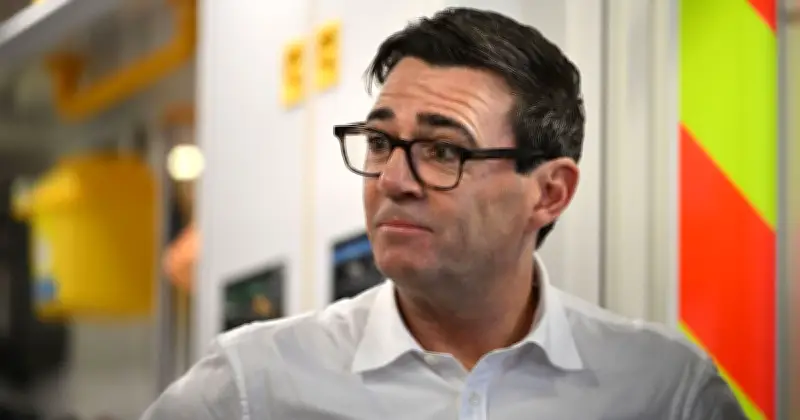
Prime Minister Andy Burnham is set to abandon a promise to animal rights campaigners as part of a new EU-UK deal. The agreement, expected to be signed on Friday, will bind Britain to the bloc's agrifood rules and force the country to scrap a promised ban on imports of foie gras, a luxury food product made from enlarged duck or goose liver.
Labour's then-Environment Secretary Steve Reed pledged to outlaw imports during the 2024 general election campaign, labelling the "aggressive" force-feeding of birds to produce it "beyond disgusting". Domestic production of foie gras has been banned in the UK since 2007.
Campaigners react to the planned U-turn
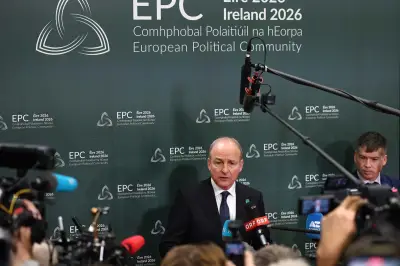
Abigail Penny, executive director of campaign group Animal Equality UK, said this week's summit would clarify "if we really are a nation of animal lovers". She told the Financial Times: "Force-feeding is a crime in the UK, yet we continue to allow foie gras to reach our shores."
The UK-EU agreement is aimed at reducing some agrifood checks, export health certificates and phytosanitary paperwork in terms of moving goods between Britain, Northern Ireland and the bloc following Brexit.
Broader agreements and the Makerfield test
Alongside deals on food, Burnham is expected to lock in agreements on emissions trading and youth mobility on Friday. He has insisted that he won't pursue a deal that crosses Labour's manifesto red lines, meaning no return to the single market, customs union or freedom of movement, though he has said he wants to explore options for Britain's longer-term relationship with the bloc, on which voters would ultimately decide.
He said the proposed deal would spare the UK's steel, car and aluminium industries from extra taxes and open the door to greater cooperation on lower electricity prices. He also said any new agreement must improve the Brexit deal reached by the Tories and pass the "Makerfield test".
The test was set out by the Prime Minister following his by-election win in the Greater Manchester seat, on the premise that measures which work for the constituency will work for others like it across the country. "Any deal I seek to agree in Brussels must first pass what I call the Makerfield test: will it make life better for people in the parts of Britain that have felt forgotten?" he added in a statement.