Liverpool Parade Crash Victim Denied PIP Despite Life-Changing Injuries
Parade Crash Victim Denied PIP Despite Life-Changing Injuries

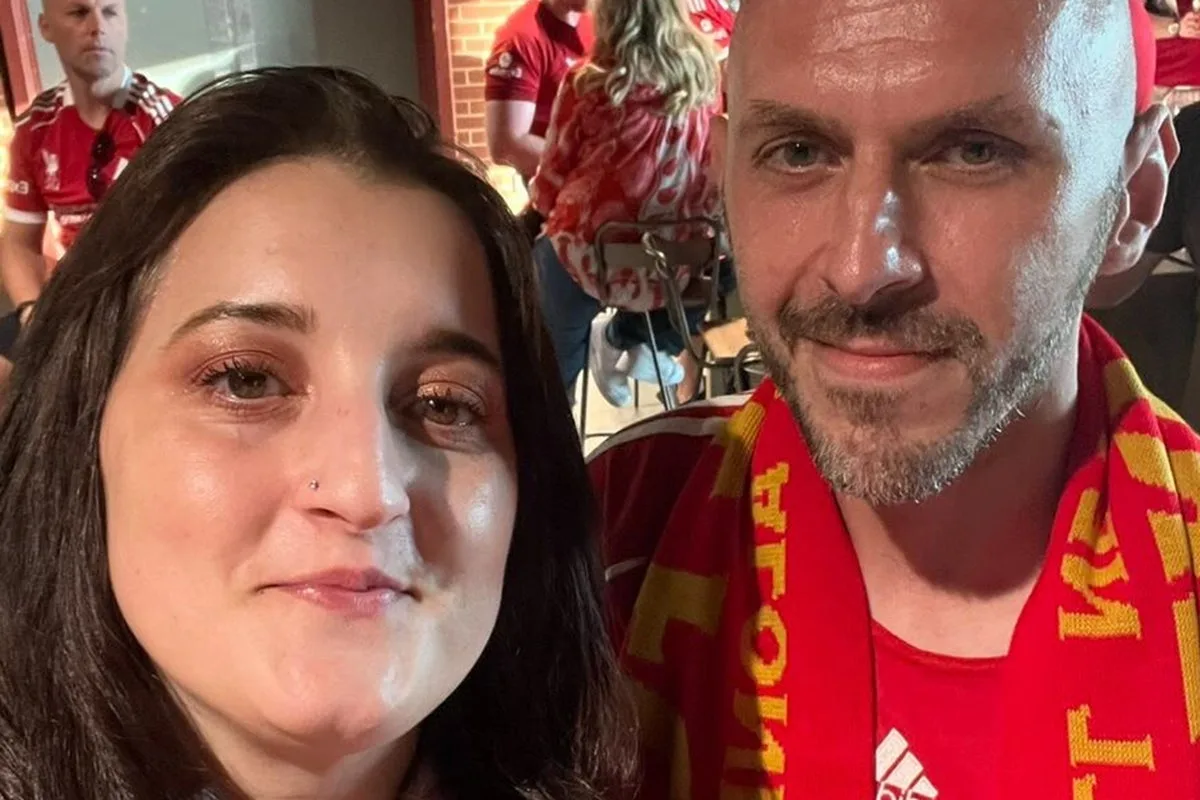
A former British soldier who suffered life-changing injuries while protecting his family during the Liverpool Parade attack has been refused Personal Independence Payment (PIP). Dan Eveson, 37, sustained a torn trapezius muscle in his neck and back, a broken sternum, and three cracked ribs when he was struck by the Ford Galaxy driven by Paul Doyle. He was attempting to push his partner, Sheree Aldridge, and their five-month-old baby, Teddy, out of harm's way.

Despite the pram being flung 15 feet down the road, Teddy miraculously escaped injury. Ms Aldridge spent weeks in hospital with a leg wound that still affects her. Mr Eveson, who previously worked as a factory labourer, was forced to give up his job due to severe back pain. In February, he applied for PIP, citing his inability to stand for more than 30 minutes and difficulty managing daily tasks independently. He also referenced trauma from the crash and a prior ankle injury that led to his discharge from the Royal Military Police.

However, just weeks before the first anniversary of the attack, the Department for Work and Pensions (DWP) informed him that his application did not meet the required points threshold. PIP guidelines state eligibility is for those with long-term physical or mental conditions affecting everyday tasks.

Wide Pickt banner — collaborative shopping lists app for Telegram, phone mockup with grocery list

“I felt disgusted,” Mr Eveson told The Independent from his home in Cannock, Staffordshire. “Like many others, my life completely changed on the day of the Liverpool Parade crash. I’ve been through hell; from working and enjoying family life to now stuck at home and having to use food banks to survive. I’ve worked hard since I was 16, and when I worked I did 12-hour shifts, often at night. Being out of work has destroyed me as a man. What more do I have to do to get some support to help me back on my feet again?”

Mr Eveson and Ms Aldridge, 38, currently receive around £1,600 per month in universal credit, which goes toward their £850 housing association rent and caring for their six children, including Teddy. Earlier this year, they had to downsize their car after cancelling a finance plan they could no longer afford. Like many victims of Doyle's attack, the couple also suffers mentally.

Mr Eveson has been on an NHS waiting list for physiotherapy since March and has received only two counselling sessions, yet he still struggles with memories of the crash. The horrific event began when he saw the vehicle accelerate behind them. He told his partner “we are going to die” before pushing against the car. Ms Aldridge was thrown onto the bonnet, and the pram with Teddy inside was flung down the road. Mr Eveson ran after the pram and found his child unharmed.

“It was like a war zone in which I wasn’t fighting for my country, I was fighting for my family,” he said. “Those hellish moments never leave you, and I’ve faced an uphill battle to overcome what happened in my head. It’s not just the bad dreams, it’s the flash backs and the anger I feel over what took place, on a day that should have been a celebration. What with everything that has happened, and the struggle that we face, I hoped we could get a little more help through a PIP. Just to help us stop using a food bank, be able to get support for my recovery, and to eventually get back to work.”

Ms Aldridge is on a temporary employment contract with no long-term security and said PIP would have helped her partner at home while looking after Teddy. The PIP assessment process, claimed by nearly 4 million people in England and Wales, has long been criticised by campaigners as difficult and inconsistent. “It just feels like we’re not enough support,” Ms Aldridge said. “With what we’ve been through previously, with Dan being ex-military and the crash, and he still doesn’t get hardly anything for not working because his back’s absolutely knackered. He never wanted to stop working. I remember the day he was forced to stop, he cried on the phone to me. He’s now not bringing any money in, he doesn’t feel he’s supporting the family and we’ve really struggled in our relationship as a result.”

Pickt after-article banner — collaborative shopping lists app with family illustration

Doyle is serving a 21-year-and-six-month prison sentence after pleading guilty to 17 charges for the driving that injured 134 people on 26 May. A DWP spokesperson said: “PIP is awarded based on how a condition impacts a person’s day-to-day needs. Customers who disagree with a decision can request a mandatory reconsideration or an appeal.”